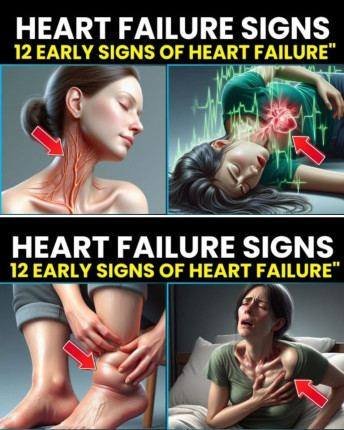
1. Shortness of Breath (Dyspnea)
-
Why It Happens: The heart struggles to pump blood efficiently, causing fluid to back up into the lungs. This fluid buildup can make breathing more difficult, especially during physical activity or when lying down.
-
What to Look For: Sudden or worsening shortness of breath, especially after exertion, while lying flat (orthopnea), or at night (paroxysmal nocturnal dyspnea).
2. Fatigue or Weakness
-
Why It Happens: As the heart fails to pump blood effectively, less oxygen and nutrients are delivered to the body’s tissues, leading to feelings of tiredness and reduced energy levels.
-
What to Look For: Persistent fatigue or feeling unusually weak, even after resting or a good night’s sleep, and difficulty completing everyday tasks.
3. Swelling (Edema)
-
Why It Happens: When the heart can’t pump blood efficiently, fluid tends to accumulate in the lower extremities, abdomen, or lungs, causing swelling. This is especially noticeable in the ankles, legs, and feet.
-
What to Look For: Unexplained swelling or puffiness in the legs, ankles, or abdomen that doesn’t go away with rest.
4. Rapid or Irregular Heartbeat (Palpitations)
-
Why It Happens: The heart may attempt to compensate for its reduced pumping ability by beating faster or irregularly. This can cause palpitations, which may feel like fluttering or pounding in the chest.
-
What to Look For: A feeling of your heart racing, skipping beats, or beating irregularly, especially when you’re at rest.
5. Persistent Cough or Wheezing
-
Why It Happens: Fluid buildup in the lungs (pulmonary edema) can cause coughing or wheezing, especially when lying down. The cough may be dry or produce frothy, pink-tinged sputum.
-
What to Look For: A persistent cough that worsens at night or a wheezing sound when breathing.
6. Reduced Exercise Tolerance
-
Why It Happens: Because the heart is not pumping blood effectively, your body doesn’t get the oxygen and nutrients it needs during physical activity. This leads to shortness of breath, fatigue, and weakness when exercising.
-
What to Look For: Difficulty completing your usual physical activities or feeling overly fatigued after minimal exertion.
7. Sudden Weight Gain
-
Why It Happens: Rapid fluid retention due to heart failure can lead to sudden weight gain, especially in the abdomen, legs, and ankles.
-
What to Look For: Unexplained weight gain of more than 2-3 pounds in a day or 5 pounds in a week.
8. Decreased Appetite or Nausea
-
Why It Happens: As fluid builds up in the abdomen, it can put pressure on the digestive organs, causing feelings of fullness, loss of appetite, or nausea. In addition, poor blood flow to the digestive organs can contribute to digestive issues.
-
What to Look For: A loss of appetite or a sensation of being full after eating only small amounts of food, along with nausea or vomiting.
9. Confusion or Difficulty Concentrating
-
Why It Happens: Reduced blood flow to the brain due to heart failure can cause mental confusion, forgetfulness, or difficulty concentrating.
-
What to Look For: Episodes of confusion, trouble focusing, or feeling mentally foggy, especially during physical exertion or at night.
10. Cold, Clammy Skin
-
Why It Happens: When the heart is not pumping efficiently, the body directs blood away from the skin to vital organs, causing the skin to feel cold, pale, or clammy.
-
What to Look For: Skin that feels unusually cold, sweaty, or pale, especially when you’re at rest or during episodes of exertion.
11. Chest Pain or Discomfort
-
Why It Happens: Chest pain can be a sign of heart-related issues, including heart failure, especially if there’s inadequate blood supply to the heart muscle. This pain might be mild or feel like pressure or tightness.
-
What to Look For: Persistent chest pain, tightness, or pressure, especially when coupled with shortness of breath, dizziness, or fatigue.
Risk Factors for Heart Failure:
Certain conditions increase the risk of developing heart failure:
-
High blood pressure (Hypertension)
-
Coronary artery disease (heart disease)
-
Diabetes
-
Obesity
-
Family history of heart disease
-
Age (heart failure is more common in older adults)
-
Prior heart attack
-
Heart valve problems
What to Do if You Experience These Symptoms:
If you notice any of the symptoms of heart failure, especially in combination, seek medical attention immediately. Early diagnosis and treatment can improve your quality of life and prevent complications. Your healthcare provider may recommend tests like echocardiograms, electrocardiograms (ECG), or blood tests to evaluate your heart function.
Treatment Options:
Treatment for heart failure often involves a combination of:
-
Medications to help the heart pump more effectively, reduce fluid buildup, and control underlying conditions like high blood pressure.
-
Lifestyle changes, such as a low-sodium diet, regular exercise, weight management, and quitting smoking.
-
Monitoring: Keeping track of your weight, fluid retention, and symptoms can help manage the condition.
Early intervention is key to managing heart failure, and recognizing these early warning signs is an important step in protecting your heart health.