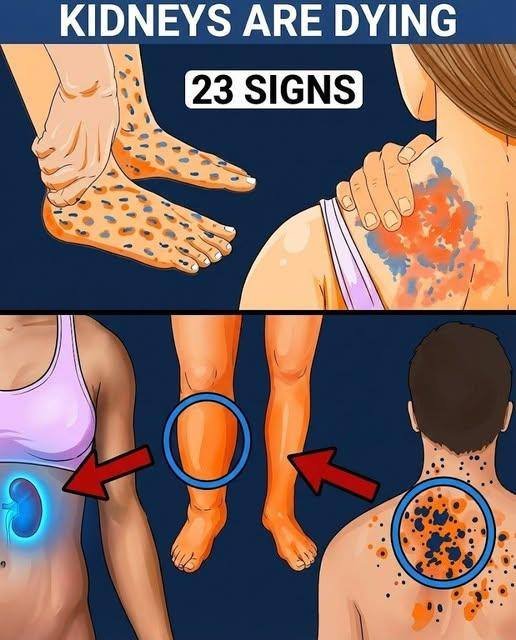
1. Swelling in the Legs, Ankles, or Feet
The kidneys help regulate fluid balance. When they aren’t functioning well, fluid can build up in the lower extremities.
2. Frequent Urination
Especially at night (known as nocturia). If your kidneys aren’t filtering properly, your body may try to get rid of excess fluid.
3. Dark, Foamy, or Bloody Urine
This could signal excess protein (a symptom of kidney disease) or blood in the urine, which can be a sign of kidney damage or infection.
4. Painful Urination
If you feel pain or a burning sensation while urinating, it could point to a kidney infection or urinary tract infection (UTI).
5. Persistent Itching
When kidneys are failing, toxins build up in the blood, which can cause itching (pruritus).
6. Fatigue or Weakness
Kidney disease can lead to anemia (a shortage of red blood cells), causing tiredness and weakness.
7. Loss of Appetite
Kidney problems can affect your digestive system, making food less appetizing and leading to nausea and loss of appetite.
8. Metallic Taste in the Mouth
A buildup of toxins in the blood due to kidney dysfunction can alter the taste of food and cause a metallic flavor.
9. Shortness of Breath
Fluid can build up in the lungs due to kidney disease, or the body might have difficulty getting enough oxygen because of anemia.
10. Back Pain
Pain in the lower back or side might signal kidney stones or infection. But it’s often missed as just “muscle pain.”
11. Cold Hands and Feet
This can be linked to kidney disease because poor circulation and anemia can cause you to feel unusually cold.
12. Trouble Sleeping
Toxins that aren’t properly filtered by the kidneys can disrupt your ability to sleep.
13. High Blood Pressure
Kidneys help regulate blood pressure. If they are damaged, blood pressure can rise, potentially without other obvious symptoms.
14. Nausea and Vomiting
Accumulation of toxins in the bloodstream can lead to nausea and vomiting, which is a common sign of kidney failure.
15. Swelling Around the Eyes
Excess protein in the urine (proteinuria) can lead to swelling, often seen around the eyes.
16. Dizziness or Lightheadedness
This can occur because of anemia or an electrolyte imbalance due to kidney dysfunction.
17. Difficulty Concentrating
Toxins can affect your brain, leading to a feeling of “brain fog” or difficulty focusing and thinking clearly.
18. Cramping or Muscle Spasms
Electrolyte imbalances caused by kidney disease can lead to muscle cramps or spasms, particularly at night.
19. Changes in Skin Color
Kidney disease can cause changes to the skin, often making it look pale, sallow, or even more yellowish if jaundice is present.
20. Rapid Weight Gain
Sudden weight gain, especially if it’s from fluid retention, could signal kidney problems. It might be noticeable in your face, arms, or legs.
21. Bad Breath (Uremic Foul Breath)
Also known as “uremic fetor,” it’s a foul-smelling breath that occurs when kidney function declines.
22. Feeling of Fullness
When kidneys aren’t working properly, toxins and waste buildup can cause bloating or a sensation of fullness in the stomach.
23. Unexplained Swelling of the Abdomen
In severe cases of kidney failure, fluid retention can cause the abdomen to swell. This could also be linked to other conditions, so it’s important to get checked out.
What to Do If You Suspect Kidney Disease:
If you notice any of these signs or symptoms and suspect kidney disease, it’s important to consult a healthcare provider for testing. Blood tests (like creatinine and eGFR), urine tests, and imaging can help diagnose kidney problems early, which is crucial for effective treatment.
Kidney disease is often manageable when caught early, so it’s always better to be cautious and get checked if you have concerns. Does any of this sound familiar, or do you have any specific questions about kidney health?