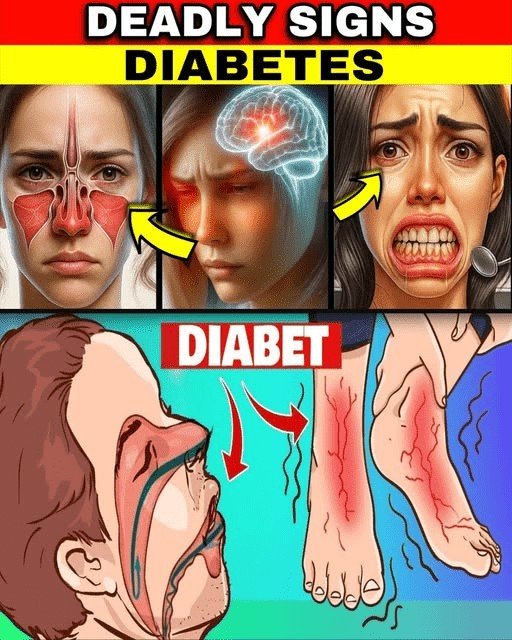
1. Frequent Urination
Excessive urination is a common symptom of uncontrolled diabetes. When blood sugar levels are high, your kidneys work harder to filter out the excess sugar, causing you to urinate more frequently. If you’re noticing that you’re going to the bathroom more often than usual, it could be a sign that your diabetes isn’t under control.
2. Constant Thirst
Increased thirst is another symptom of high blood sugar. As you lose more fluid through frequent urination, your body becomes dehydrated, prompting you to feel excessively thirsty.
3. Fatigue
Diabetes can leave you feeling extremely tired or sluggish, even if you’ve had a full night’s sleep. This happens because the body’s cells are unable to efficiently use glucose for energy, leaving you feeling drained.
4. Blurred Vision
High blood sugar levels can damage blood vessels in the eyes and lead to blurry vision. If you notice your vision becoming blurry or fluctuating frequently, it could be a warning sign that your blood sugar is out of control.
5. Slow Healing of Cuts or Wounds
High blood sugar can impair circulation and the body’s ability to fight infections, which can lead to slow healing of cuts, bruises, or infections. This is a sign that diabetes is affecting the body’s ability to recover and heal.
6. Unexplained Weight Loss
Even if you’re eating normally or more than usual, unexplained weight loss can be a sign of uncontrolled diabetes. When your body can’t properly process glucose for energy, it starts breaking down fat and muscle for fuel, leading to weight loss.
7. Numbness or Tingling in Hands and Feet (Neuropathy)
High blood sugar over time can damage nerves in your extremities, leading to symptoms like numbness, tingling, or a “pins and needles” feeling, especially in the hands, feet, or legs. This is known as diabetic neuropathy.
8. Frequent Infections
People with diabetes are more prone to infections due to higher glucose levels, which can impair immune function. If you find that you are getting infections often, especially in the skin, gums, or urinary tract, this could be a sign of diabetes complications.
Life-Saving Tip: Maintain Stable Blood Sugar Levels
The most important action you can take to prevent serious complications from diabetes is to regularly monitor your blood sugar levels and take steps to keep them stable. Here are some key ways to do that:
-
Healthy Eating: Eat a balanced diet rich in vegetables, lean proteins, and whole grains while limiting refined sugars and carbohydrates.
-
Regular Exercise: Regular physical activity helps your body use insulin more effectively and can help regulate blood sugar levels.
-
Medication Management: If you’re on medication, take it as prescribed by your doctor. If you notice your medication isn’t working as well as it used to, consult your healthcare provider.
-
Stay Hydrated: Drinking water helps to manage blood sugar levels and prevent dehydration, which can be exacerbated by diabetes.
-
Regular Check-ups: Work closely with your healthcare provider to regularly check blood sugar levels and prevent long-term complications.
By keeping your blood sugar within a healthy range, you can avoid many of these symptoms and significantly improve your quality of life. If you experience any of the above symptoms, it’s critical to reach out to a healthcare provider for evaluation and guidance.
Let me know if you’d like tips on managing diabetes or more information about healthy habits!