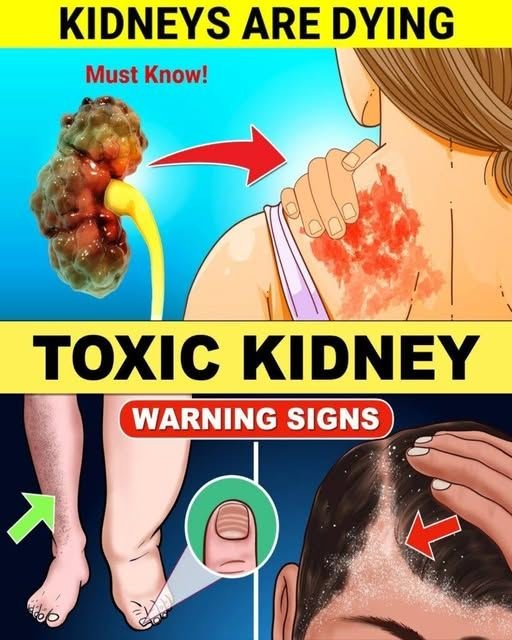
9 Warning Signs Your Kidneys Are Failing
1. Fatigue or Weakness
-
Why it happens: When the kidneys aren’t functioning properly, waste and toxins build up in the blood, leading to fatigue, weakness, and a general feeling of being unwell.
-
What to do: If you or your loved one experiences extreme tiredness despite adequate rest, it could be a sign of kidney failure.
2. Swelling (Edema) in the Legs, Ankles, or Feet
-
Why it happens: Kidneys help remove excess fluid from the body. When they fail, fluid can accumulate in the body, leading to swelling, especially in the lower extremities.
-
What to do: Swelling around the eyes, hands, feet, or ankles is common. Monitoring your fluid intake and seeing a doctor is important.
3. Frequent Urination or Decreased Urine Output
-
Why it happens: Kidney dysfunction can result in an increase in urination at night (nocturia) or a drastic decrease in urine output, as the kidneys are no longer filtering properly.
-
What to do: Pay attention to changes in your urination patterns, such as very dark or foamy urine.
4. Shortness of Breath
-
Why it happens: Fluid buildup can occur in the lungs, making it difficult to breathe. Additionally, kidney failure can cause anemia, reducing the oxygen-carrying capacity of the blood.
-
What to do: If you notice difficulty breathing, even at rest, or feel out of breath after minimal activity, consult a doctor.
5. Persistent or Severe Itching (Pruritus)
-
Why it happens: Kidney failure can lead to the buildup of waste in the blood, which can cause itchy skin as a result of toxins accumulating in the body.
-
What to do: If itching is persistent and unrelieved by topical treatments, it could be related to kidney failure.
6. Nausea, Vomiting, and Loss of Appetite
-
Why it happens: When the kidneys fail to filter toxins, they can accumulate in the blood, causing gastrointestinal symptoms like nausea, vomiting, and a loss of appetite.
-
What to do: If these symptoms persist and interfere with daily life, a kidney function test may be needed.
7. High Blood Pressure (Hypertension)
-
Why it happens: The kidneys help regulate blood pressure by controlling the volume of fluid in the body. When kidneys fail, blood pressure can become uncontrollably high.
-
What to do: If you experience sudden or persistent high blood pressure, it’s essential to monitor your kidney health.
8. Metallic Taste in the Mouth or Ammonia Breath
-
Why it happens: The buildup of waste in the bloodstream (called uremia) can cause a metallic taste in the mouth or foul-smelling breath, often described as ammonia breath.
-
What to do: This symptom is often a clear sign that the kidneys are no longer filtering effectively. It’s important to see a doctor right away.
9. Back Pain or Flank Pain
-
Why it happens: Kidney pain is often felt in the lower back or flank area, just below the rib cage. This could be due to inflammation, infection, or kidney stones.
-
What to do: Persistent pain in the lower back, especially accompanied by other symptoms, should be evaluated by a healthcare provider.
Tests to Detect Kidney Failure Early and Prevent Dialysis
If you suspect kidney problems, early diagnosis and treatment can help manage the condition and possibly prevent the need for dialysis. Here are the most common tests used to assess kidney function:
1. Blood Tests (Serum Creatinine and Blood Urea Nitrogen, BUN)
-
What it measures: These tests measure the levels of creatinine and urea nitrogen in the blood, both of which are waste products typically filtered by the kidneys.
-
What to expect: Elevated creatinine and BUN levels suggest the kidneys are not functioning properly.
2. Glomerular Filtration Rate (GFR)
-
What it measures: The GFR test measures how well your kidneys are filtering blood. A low GFR (typically below 60) indicates reduced kidney function.
-
What to expect: A GFR of 60 or higher is generally considered normal, while a GFR below 15 could signal kidney failure, requiring dialysis.
3. Urinalysis
-
What it measures: A urinalysis checks for abnormalities in the urine, such as the presence of protein, blood, or pus, which can be signs of kidney disease.
-
What to expect: If there is protein in the urine (proteinuria), it can indicate early kidney damage.
4. Ultrasound or Imaging
-
What it measures: A kidney ultrasound or CT scan can provide images of the kidneys to check for signs of damage, obstruction, or kidney stones.
-
What to expect: These imaging tests can reveal structural issues or abnormalities in kidney size or shape.
5. Kidney Biopsy
-
What it measures: A kidney biopsy involves removing a small sample of kidney tissue to look for damage at the cellular level.
-
What to expect: This test is usually performed when doctors suspect certain types of kidney disease that can be treated to prevent progression to kidney failure.
Preventing Kidney Failure and Dialysis
-
Control Blood Pressure: Keep your blood pressure within the normal range (around 120/80 mmHg) to prevent kidney damage.
-
Monitor Blood Sugar: If you have diabetes, controlling your blood sugar is crucial in preventing kidney complications.
-
Healthy Diet: Limit salt, processed foods, and sugar, and include plenty of fruits, vegetables, and lean proteins. Staying hydrated is also essential.
-
Avoid Overuse of Painkillers: Long-term use of nonsteroidal anti-inflammatory drugs (NSAIDs) can harm the kidneys.
-
Regular Check-Ups: Especially if you are at risk (e.g., if you have high blood pressure, diabetes, or a family history of kidney disease), regular kidney function tests can catch problems early.
If you notice any of these warning signs or have concerns about kidney function, it’s important to consult with a healthcare provider as soon as possible. Early detection and intervention can help slow the progression of kidney disease and may prevent the need for dialysis.