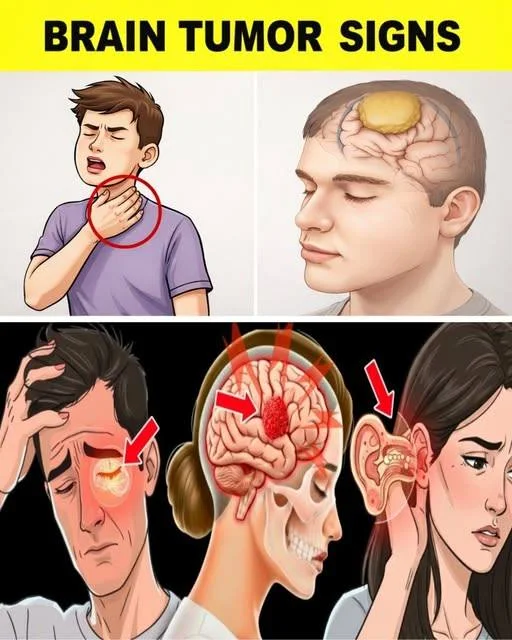
Recognizing early signs of a brain tumor is important for early detection, as it can significantly impact treatment and outcomes. Brain tumors can be tricky because the symptoms can mimic other conditions, and the location of the tumor in the brain determines the type and severity of symptoms. However, here are 10 early signs that might indicate a brain tumor:
1. Persistent Headaches
Frequent headaches that worsen over time or are different from your usual headaches can be a sign. Tumor-related headaches may be worse in the morning or when you change positions, as pressure builds up inside the skull.
2. Seizures
Seizures can be one of the first symptoms of a brain tumor, particularly if you’ve never had them before. These can range from jerking movements to staring spells or loss of consciousness, depending on the area of the brain affected.
3. Vision Problems
Changes in vision, such as blurred vision, double vision, or seeing flashing lights or spots, could indicate pressure on the optic nerves from a growing tumor. It could be related to brain tumors in the occipital or temporal lobes, which control visual processing.
4. Difficulty Speaking or Understanding Speech
If you suddenly have trouble finding words, speaking clearly, or understanding what others are saying, it could be a sign of a tumor affecting the language centers of the brain (often in the left hemisphere).
5. Memory Issues or Confusion
A brain tumor can cause cognitive changes like memory loss, difficulty concentrating, or confusion. If you’re forgetting things more often or struggling to focus, it could be a sign of a tumor in areas of the brain that manage memory and thought processing (like the frontal lobe).
6. Changes in Personality or Mood
If you notice drastic changes in your personality, behavior, or mood, such as becoming unusually irritable, anxious, or depressed, it could indicate a tumor affecting the frontal lobe or limbic system, which regulates emotions and behavior.
7. Weakness or Numbness
Unexplained weakness or numbness in one part of the body, such as an arm, leg, or side of the face, might point to a tumor pressing on the motor areas of the brain (like the motor cortex in the frontal lobe).
8. Balance or Coordination Problems
If you’re having trouble walking, balancing, or performing coordinated movements, it could be due to a tumor in the cerebellum (the part of the brain that controls balance and coordination). You might notice tripping more often or feeling unsteady.
9. Unexplained Nausea or Vomiting
Persistent nausea, especially when you wake up in the morning, or vomiting without an obvious cause could be related to increased pressure in the brain due to a tumor. This is a common symptom when the tumor is located near the brainstem or if it causes swelling inside the skull.
10. Hearing Problems or Ringing in the Ears (Tinnitus)
A brain tumor near the auditory nerve (such as an acoustic neuroma) can cause hearing loss, buzzing, or ringing in the ears. If you suddenly notice these symptoms without an obvious cause, it’s worth getting checked out.
When to See a Doctor:
If you experience any of these symptoms, especially if they are new, persistent, or getting worse, it’s crucial to see a healthcare provider. Brain tumors can be diagnosed with imaging tests like an MRI or CT scan, and early detection increases the chances of effective treatment.
Conclusion:
These signs don’t necessarily mean you have a brain tumor, but if you notice any persistent or unusual changes in your health, it’s important to speak with a doctor. The earlier a brain tumor is diagnosed, the better the chance of successful treatment. Would you like to know more about how brain tumors are diagnosed or what treatments are available?