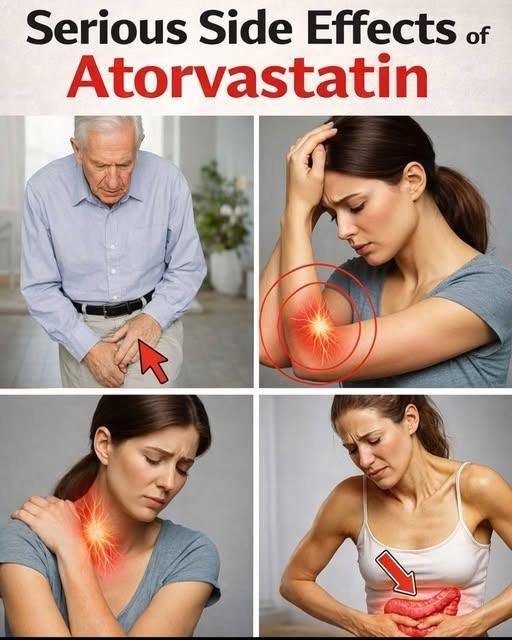
1. Muscle Pain or Weakness (Myopathy)
One of the most common side effects of atorvastatin is muscle pain, weakness, or cramping. This occurs because statins can affect muscle tissue and lead to muscle breakdown (rhabdomyolysis in severe cases).
-
What you can do: If you experience persistent muscle pain, talk to your doctor. They might recommend adjusting your dosage or trying a different statin. Staying hydrated and doing gentle stretches can help.
2. Fatigue
Some people taking atorvastatin report feeling unusually tired or lethargic, which can affect their daily activities.
-
What you can do: Ensure you’re getting enough sleep, managing stress, and eating a balanced diet. If fatigue persists, discuss dosage adjustments with your doctor.
3. Memory Loss or Cognitive Impairment
A small number of people report experiencing memory issues or difficulty concentrating while on atorvastatin. While studies haven’t proven a direct link to dementia, some individuals may experience cognitive changes.
-
What you can do: If you notice memory problems, talk to your doctor about switching to a different statin or evaluating other possible causes for cognitive decline.
4. Digestive Issues (Constipation, Diarrhea, Bloating)
Atorvastatin can affect the digestive system, leading to symptoms like constipation, diarrhea, bloating, or nausea.
-
What you can do: Try eating smaller meals and increasing your fiber intake. If the digestive symptoms are severe, your doctor might suggest a different medication or additional remedies.
5. Liver Enzyme Elevation
Atorvastatin can lead to elevated liver enzymes, which is usually detected through blood tests. This can indicate liver stress or damage.
-
What you can do: Regular liver function tests are important while on atorvastatin. If enzyme levels rise significantly, your doctor may adjust your dosage or switch medications.
6. Increased Blood Sugar (Hyperglycemia)
Atorvastatin can cause a slight increase in blood sugar levels, potentially raising the risk of developing type 2 diabetes, particularly in those already at risk.
-
What you can do: Monitor your blood sugar levels regularly. Discuss with your doctor if you’re at risk for diabetes or if you notice significant changes in your blood sugar.
7. Skin Rash or Itching
Some people experience allergic reactions to atorvastatin, leading to a skin rash or itching.
-
What you can do: If you notice a rash or itching, contact your doctor. They may recommend stopping the medication or switching to another type of statin.
8. Sleep Disturbances (Insomnia or Vivid Dreams)
There are reports of atorvastatin affecting sleep quality, leading to insomnia, disrupted sleep, or vivid dreams.
-
What you can do: Try taking your medication earlier in the day and avoid stimulants like caffeine close to bedtime. If sleep issues persist, discuss alternatives with your doctor.
9. Headaches
Some users report experiencing headaches, which may be a result of changes in blood flow or tension caused by the medication.
-
What you can do: Over-the-counter pain relievers (with doctor approval) can help manage mild headaches. If they are severe or frequent, consult your doctor for alternatives.
10. Joint Pain or Stiffness
Atorvastatin can cause joint pain, stiffness, or swelling, which is often linked to muscle problems but can also affect the joints.
-
What you can do: Regular exercise and stretching can help manage joint stiffness. If pain persists, your doctor may adjust your treatment or suggest anti-inflammatory medications.
11. Dizziness or Lightheadedness
Some people report feeling dizzy or lightheaded, especially when standing up quickly, which could be due to atorvastatin lowering blood pressure slightly.
-
What you can do: Get up slowly from sitting or lying down, and make sure you’re staying hydrated. If dizziness is frequent, discuss it with your doctor.
12. Increased Risk of Cataracts
Long-term use of statins like atorvastatin has been associated with a slightly higher risk of developing cataracts (clouding of the eye lens).
-
What you can do: Regular eye exams can help detect cataracts early. If you notice changes in your vision, notify your doctor.
13. Nausea and Vomiting
In rare cases, atorvastatin can lead to gastrointestinal symptoms such as nausea or vomiting.
-
What you can do: Taking the medication with food may help reduce stomach upset. If symptoms are severe, your doctor may consider an alternative medication.
14. Kidney Damage
In very rare cases, atorvastatin can cause kidney problems, particularly when combined with muscle breakdown (rhabdomyolysis).
-
What you can do: Your doctor will monitor kidney function through blood tests while you’re on atorvastatin. If you experience muscle pain, weakness, or dark urine, seek medical help immediately.
15. Hearing Loss or Ringing in the Ears (Tinnitus)
Though rare, some individuals on statins report hearing loss or ringing in the ears (tinnitus).
-
What you can do: If you experience hearing issues, notify your doctor, as this could be a sign of an adverse reaction.
What You Can Do to Minimize Side Effects:
-
Lifestyle Changes: Alongside atorvastatin, adopt heart-healthy lifestyle habits, including a balanced diet (rich in fiber, fruits, vegetables), regular exercise, and weight management.
-
Regular Monitoring: Schedule regular follow-ups with your doctor to monitor cholesterol levels, liver function, and any side effects.
-
Stay Hydrated: Proper hydration can help alleviate muscle and joint discomfort, as well as reduce the risk of kidney issues.
-
Consider Alternatives: If atorvastatin is causing problematic side effects, your doctor may consider adjusting the dose, switching to another statin, or trying non-statin cholesterol-lowering medications like ezetimibe or PCSK9 inhibitors.
Final Thoughts:
While atorvastatin is highly effective in managing cholesterol and reducing cardiovascular risks, it’s important to be aware of potential side effects. If you experience any unexpected or severe symptoms, it’s essential to consult with your doctor to determine the best course of action. Don’t hesitate to bring up any concerns you have during your medical appointments to ensure you are receiving the best care.
Have you experienced any side effects from atorvastatin, or is there a particular symptom you’re worried about? Let me know if you’d like more info on managing any of these effects!