1. Unexplained Weight Loss
-
Why It Happens: Rapid, unexplained weight loss (10 pounds or more) can be a sign of many cancers, including pancreatic, stomach, esophageal, and lung cancers. The body may burn more calories than usual, or the cancer may affect how the body processes food.
-
What to Do: If you notice unexplained weight loss, especially when it’s not linked to diet or exercise, consult a healthcare provider.
2. Fatigue
-
Why It Happens: Constant, unexplained fatigue or feeling weak is a common symptom in many cancers. It can result from the body’s increased demand for energy as it fights abnormal cells, or it could be linked to anemia caused by certain cancers.
-
What to Do: Persistent fatigue should not be ignored, especially if it doesn’t improve with rest.
3. Unusual Pain
-
Why It Happens: Chronic or unexplained pain could be a sign of cancer. This includes headaches that don’t respond to treatment, bone pain, or abdominal pain. Some cancers (like bone cancer or liver cancer) cause pain due to tumor growth or organ involvement.
-
What to Do: Any persistent pain, especially if it becomes worse over time, should be evaluated by a doctor.
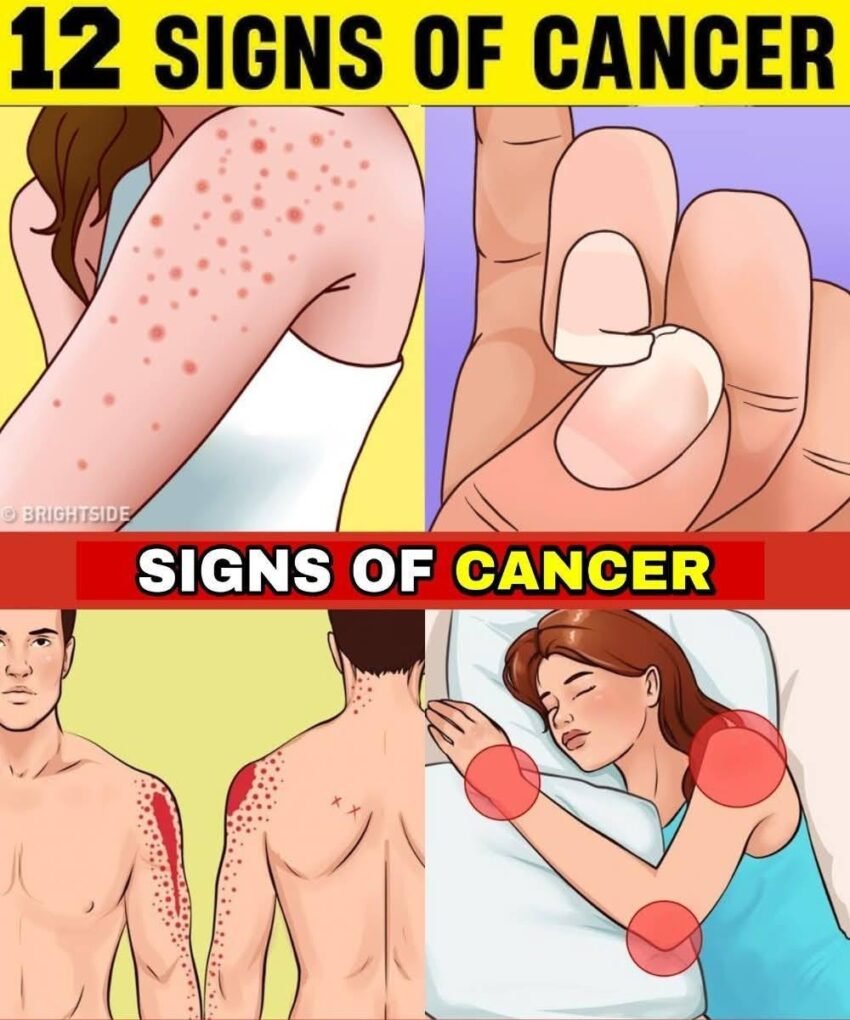
4. Changes in Skin
-
Why It Happens: Changes in the skin can include new moles or changes to existing ones (size, color, shape), or unusual rashes, itching, or darkening. Skin cancer (e.g., melanoma) is one of the most common cancers to show visible changes on the skin.
-
What to Do: Perform regular self-exams for changes in moles or skin texture. See a dermatologist if you notice any suspicious changes.
5. Unexplained Bleeding or Bruising
-
Why It Happens: Abnormal bleeding, such as frequent nosebleeds, blood in the urine, stool (which could indicate colon or rectal cancer), or unexplained bruising can be a warning sign. Leukemia and other blood cancers can lead to issues with clotting.
-
What to Do: Any unexplained bleeding or bruising should be investigated by a doctor.
6. Persistent Cough or Hoarseness
-
Why It Happens: A cough that persists for weeks, especially if it’s accompanied by blood, could be a sign of lung cancer or other respiratory issues. Hoarseness or voice changes can also be linked to cancers of the throat or larynx.
-
What to Do: If a cough lasts more than a few weeks or becomes more severe, seek medical advice.
7. Changes in Bowel or Bladder Habits
-
Why It Happens: Any significant changes in bowel habits, such as persistent diarrhea, constipation, or blood in the stool, can indicate colorectal cancer. Similarly, frequent urination, pain, or blood in the urine can be a sign of bladder or kidney cancer.
-
What to Do: If these changes persist for more than a few days or become more severe, it’s important to consult a doctor.
8. Difficulty Swallowing or Indigestion
-
Why It Happens: Difficulty swallowing, feeling like food is stuck, or chronic indigestion (especially with nausea or vomiting) can be signs of cancers in the esophagus, stomach, or throat.
-
What to Do: If you have trouble swallowing or have persistent digestive issues, schedule a visit to your healthcare provider.
9. Lumps or Thickening
-
Why It Happens: Lumps or thickening in the breast, testicles, or lymph nodes may be early signs of cancer (such as breast cancer or lymphoma). In some cases, the lump may be painless, but it’s still important to get it checked.
-
What to Do: Perform regular self-exams and consult a doctor if you find any abnormal lumps or changes in tissue.
10. Persistent Fever
-
Why It Happens: Fever can be a sign of an infection, but it can also occur with some cancers (like leukemia or lymphoma) as the body responds to the presence of cancerous cells. If fever occurs without an infection or other clear cause, it may be a red flag.
-
What to Do: A fever that lasts for weeks should be evaluated, especially if it’s accompanied by other symptoms of cancer.
11. Unexplained Night Sweats
-
Why It Happens: Night sweats (excessive sweating during the night that drench your sheets) are often associated with lymphoma or leukemia. It can also occur in other cancers as the body responds to abnormal cells or treatment side effects.
-
What to Do: If night sweats are persistent and not due to other causes (like hot weather or illness), talk to your healthcare provider.
12. Sudden or Unexplained Changes in Appetite
-
Why It Happens: A significant decrease or increase in appetite can be an early symptom of cancers, such as stomach, pancreatic, or liver cancer. These changes are often accompanied by other digestive symptoms.
-
What to Do: If you notice unexplained changes in appetite, weight loss, or early satiety (feeling full quickly), consider seeing a doctor.
What to Do If You Experience Any of These Symptoms:
While these symptoms can be caused by a variety of conditions, not just cancer, it’s important to get any persistent or unexplained changes checked by a healthcare provider. Early detection is key to improving the prognosis and treatment options for many types of cancer.
-
Routine Screenings: Regular check-ups and cancer screenings (e.g., mammograms, colonoscopies, pap smears) are essential for early detection, especially for those at higher risk.
-
Self-Exams: Performing regular self-exams (e.g., breast or testicular exams) can help catch signs early.
-
Healthy Lifestyle: Eating a balanced diet, staying active, avoiding smoking, and limiting alcohol consumption can lower the risk of many cancers.
If you notice any of these early warning signs, it’s always better to get checked by a doctor—peace of mind or early treatment could make all the difference.