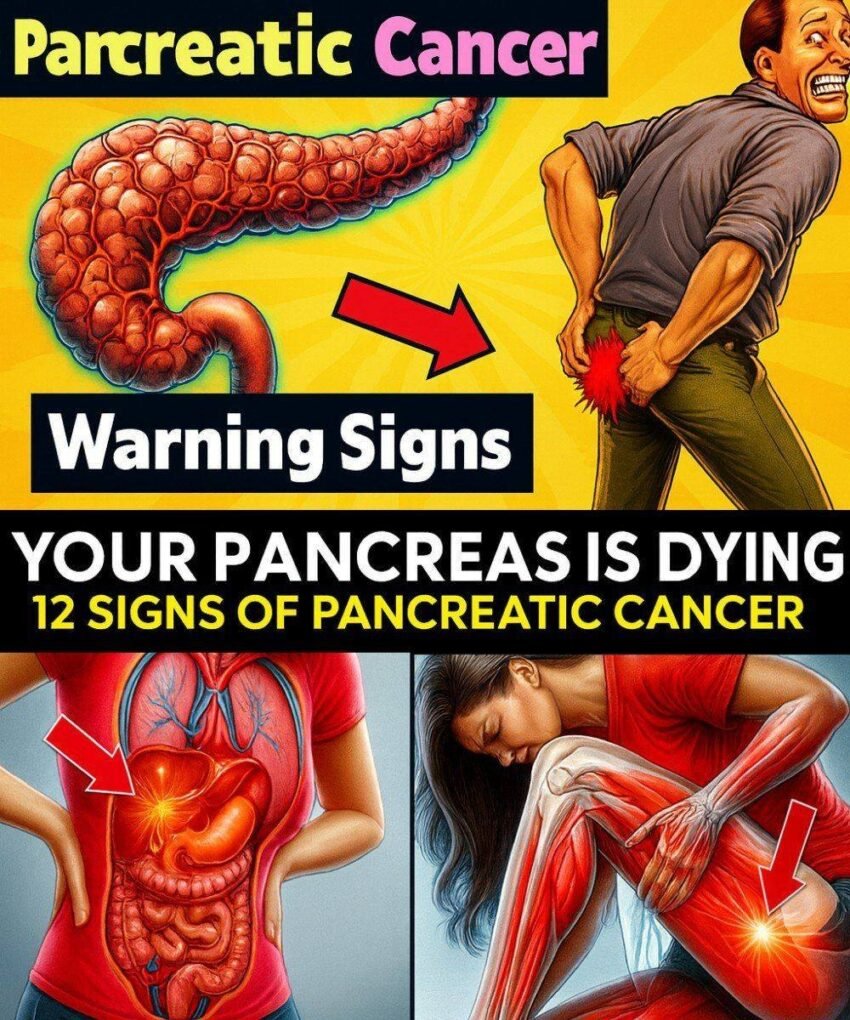
1. Unexplained Weight Loss
-
If you experience significant, unexplained weight loss without trying, it could be a sign of pancreatic cancer. This happens because the body is not properly digesting food and absorbing nutrients due to pancreatic dysfunction.
2. Jaundice (Yellowing of the Skin or Eyes)
-
The pancreas plays a role in bile production, which helps with digestion. A tumor blocking the bile duct can lead to jaundice, causing yellowing of the skin and eyes, as well as dark urine and pale stools.
3. Abdominal Pain or Discomfort
-
Pancreatic cancer can cause dull, persistent pain in the upper abdomen or back. The pain often gets worse after eating, as the pancreas becomes inflamed.
4. Loss of Appetite
-
A decrease in appetite is common with many cancers, including pancreatic cancer. This is partly because the tumor interferes with the normal digestive process, causing discomfort after eating.
5. Nausea and Vomiting
-
Due to a blockage in the digestive tract or changes in how the pancreas functions, people with pancreatic cancer may experience nausea and vomiting, particularly after eating.
6. New-Onset Diabetes
-
Pancreatic cancer can affect the pancreas’ ability to produce insulin, leading to new-onset diabetes, particularly in older individuals who have never had diabetes before.
7. Fatty Stools (Steatorrhea)
-
If the pancreas is not releasing enough digestive enzymes, it can cause fatty, greasy stools that may float and have an unusually strong odor. This is because your body cannot absorb fats properly.
8. Itchy Skin
-
Jaundice, which causes yellowing of the skin, can also make the skin itchy due to the buildup of bile salts in the body.
9. Indigestion or Acid Reflux
-
You may experience new or worsening indigestion, heartburn, or acid reflux, which can be mistaken for a less serious stomach issue. However, persistent digestive symptoms should always be checked out.
10. Blood Clots
-
Pancreatic cancer can increase the risk of blood clots, particularly in the legs or lungs (deep vein thrombosis or pulmonary embolism). This may manifest as swelling, redness, or pain in the legs.
11. Fatigue
-
Extreme tiredness or fatigue is a common sign of many types of cancer, including pancreatic cancer. This could be caused by the body’s struggle to cope with the effects of cancer or its side effects.
12. Changes in Bowel Movements
-
Along with fatty stools, pancreatic cancer can cause other changes in bowel movements, such as diarrhea or constipation, as the body’s digestive processes become impaired.
Why These Symptoms?
The pancreas is located deep within the abdomen, so symptoms of pancreatic cancer may not show up until the cancer is in more advanced stages. This is why early detection is challenging, and these signs are often overlooked or attributed to other conditions.
What to Do:
If you’re experiencing any of these symptoms, particularly in combination, it’s important to consult a healthcare provider for further evaluation. While these symptoms don’t necessarily indicate pancreatic cancer, it’s always better to get checked out.
Risk Factors for Pancreatic Cancer:
Some factors increase your risk of pancreatic cancer, including:
-
Smoking
-
Family history of pancreatic cancer
-
Chronic pancreatitis
-
Age (most commonly affects those over 65)
-
Diabetes (especially type 2)
If you’re concerned about any of these signs, don’t wait for them to worsen—early diagnosis can make a big difference in treatment outcomes.
Do you want more information on pancreatic cancer risk factors or treatment options?