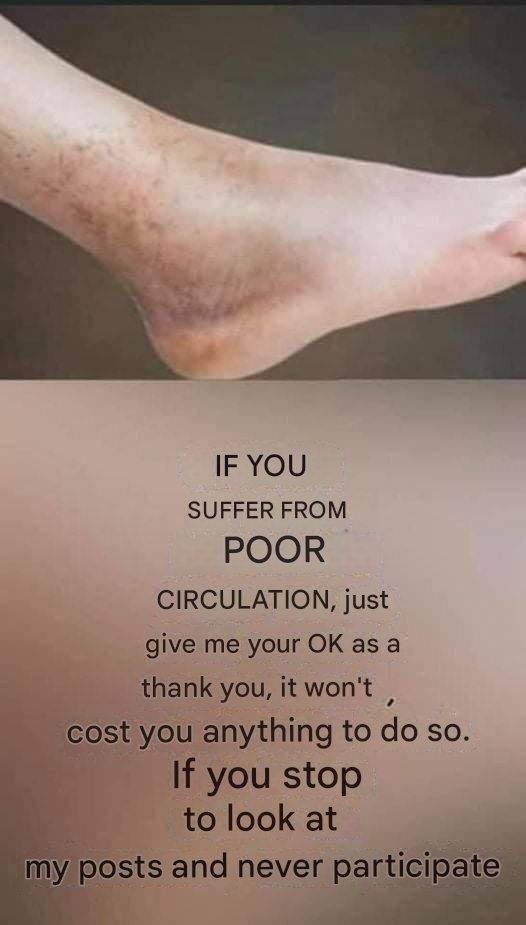
Common Symptoms of Poor Circulation in the Legs:
-
Leg swelling or edema
-
Cold feet or hands, even in warm environments
-
Heavy, tired legs
-
Numbness or tingling (pins and needles)
-
Varicose veins (swollen, twisted veins)
-
Cramps, especially at night
-
Pain or aching, particularly when standing or walking
Possible Causes of Poor Circulation:
-
Peripheral artery disease (PAD): Narrowing of the blood vessels in the legs due to plaque buildup.
-
Diabetes: Can damage blood vessels and nerves, leading to poor circulation.
-
Obesity: Extra weight puts pressure on veins and arteries.
-
Sedentary lifestyle: Lack of movement slows blood flow.
-
Smoking: Damages blood vessels and reduces circulation.
-
Age: As we age, blood vessels naturally lose elasticity.
Solutions to Improve Circulation in Your Legs:
1. Regular Exercise
-
Why it works: Movement helps pump blood throughout your body and keeps the blood vessels healthy. Aerobic exercises, such as walking, cycling, and swimming, are particularly beneficial.
-
How to do it: Aim for at least 30 minutes of moderate exercise most days of the week. Start with walking if you’re not used to exercise—just 20-30 minutes a day can make a big difference.
2. Leg Elevation
-
Why it works: Elevating your legs helps fluid flow back toward your upper body, reducing swelling and increasing circulation.
-
How to do it: Lie down and raise your legs above heart level, using pillows or a cushion. Aim for 10-15 minutes, 2-3 times a day.
3. Compression Stockings
-
Why it works: These special stockings apply pressure to your legs, which helps promote better circulation and reduce swelling, especially for people with varicose veins or edema.
-
How to do it: Choose graduated compression stockings, which apply the most pressure at the ankles and gradually decrease as they move up the leg. Wear them as directed by a healthcare provider.
4. Massage
-
Why it works: Massaging your legs can help stimulate blood flow to the area, relieving tension and improving circulation.
-
How to do it: Use a gentle leg massage with oils or creams, or consider professional lymphatic drainage massage to help improve circulation and reduce swelling. Massage in an upward motion toward the heart to encourage blood flow.
5. Stay Hydrated
-
Why it works: Dehydration can thicken your blood, making it harder to circulate effectively.
-
How to do it: Drink plenty of water throughout the day. Aim for 6-8 glasses per day, or more if you’re active.
6. Dietary Changes
-
Why it works: A healthy diet supports circulation by reducing inflammation, controlling cholesterol levels, and improving heart health.
-
What to eat:
-
Omega-3 fatty acids (salmon, walnuts, flaxseeds) help reduce inflammation and improve blood flow.
-
Antioxidant-rich foods like berries, leafy greens, and citrus fruits protect blood vessels.
-
Garlic: Known for its ability to help lower cholesterol and blood pressure, improving circulation.
-
Cayenne pepper: Contains capsaicin, which may help stimulate blood flow.
-
Limit sodium to reduce water retention and swelling.
-
7. Stretching
-
Why it works: Stretching helps release tension in the muscles and can stimulate blood flow to the lower extremities.
-
How to do it: Include leg stretches like calf raises, hamstring stretches, and ankle rolls in your daily routine to improve flexibility and circulation.
8. Warm (Not Hot) Baths
-
Why it works: Warm water helps relax the blood vessels and improve circulation. However, very hot water can actually cause blood vessels to constrict, so warm water is better.
-
How to do it: Soak your legs in a warm bath with Epsom salts for about 15-20 minutes. Epsom salts may help relax muscles and reduce swelling.
9. Avoid Prolonged Sitting or Standing
-
Why it works: Staying in one position for too long can cause blood to pool in your lower legs, leading to poor circulation.
-
How to do it: Take breaks every 30 minutes to stand, walk, or stretch. If you have to sit for long periods, elevate your legs when possible or use a footrest to keep your legs slightly elevated.
10. Quit Smoking
-
Why it works: Smoking is a major contributor to poor circulation as it damages blood vessels and reduces blood flow.
-
How to do it: Quitting smoking is one of the best things you can do for your circulation and overall health. Talk to a healthcare provider for resources and support if needed.
When to See a Doctor
If you’ve tried these solutions but still experience chronic leg pain, severe swelling, or other troubling symptoms (like numbness, discoloration, or open sores), it’s essential to seek medical advice. Poor circulation can sometimes be a sign of a more serious condition, such as peripheral artery disease (PAD), diabetes, or deep vein thrombosis (DVT), which require professional treatment.
Quick Recap:
If you suffer from poor circulation and your legs feel heavy or achy, incorporating exercise, leg elevation, compression stockings, hydration, and a circulation-boosting diet can help improve blood flow and reduce discomfort. Regular movement and a healthy lifestyle are key for maintaining long-term circulation health.
Do you experience any specific symptoms in your legs, or are there any particular methods that work best for you? Let me know if you’d like more personalized tips!