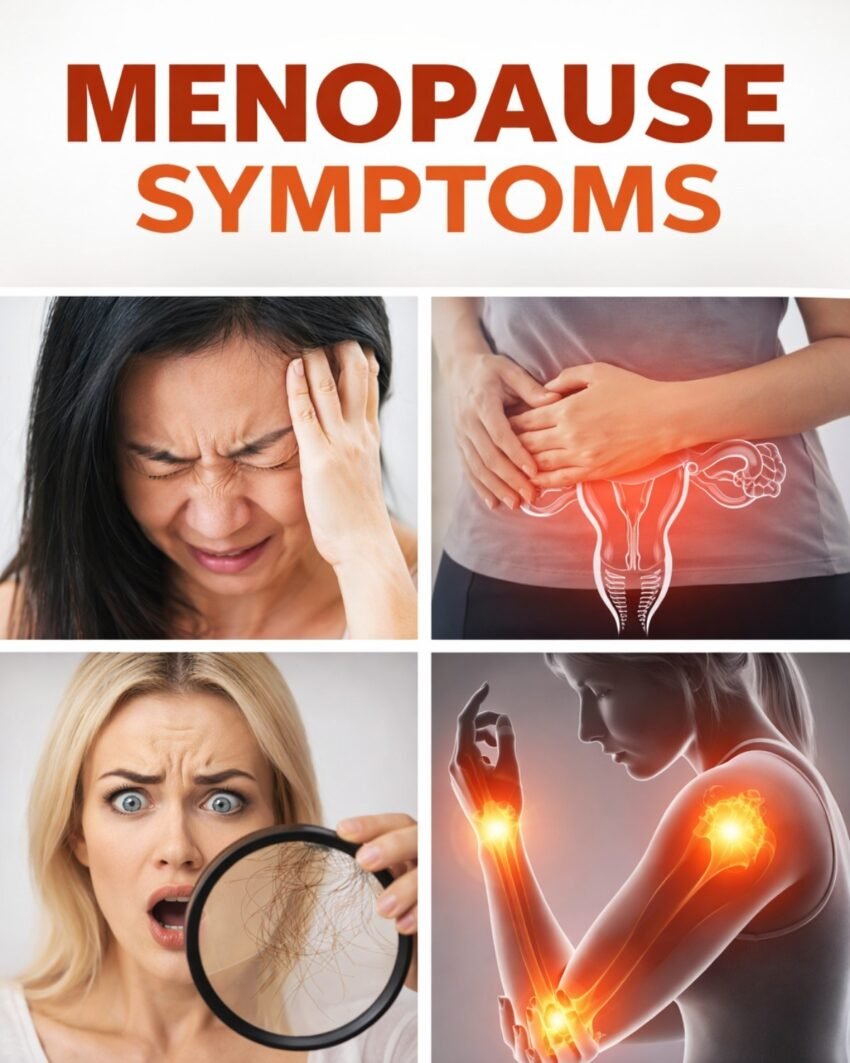
If you’re in your 30s or early 40s and notice changes in your body, it could be signs that you’re entering early menopause. Here are 10 signs (and more) to watch out for:
1. Irregular Periods
One of the first signs of early menopause is changes in your menstrual cycle. Your periods may become erratic, lighter, heavier, or more frequent, or you may skip periods altogether. This happens because your ovaries start producing less estrogen, disrupting the regularity of your cycle.
2. Hot Flashes
Hot flashes are a common symptom of menopause, and they can start earlier than expected. These sudden feelings of intense heat, often followed by sweating and chills, occur as a result of hormonal fluctuations and can vary in intensity and frequency.
3. Night Sweats
Night sweats are another symptom related to hot flashes. They occur during sleep and can soak your pajamas and sheets, disrupting your rest. This is due to hormonal changes that affect your body’s ability to regulate temperature.
4. Sleep Problems
Due to night sweats or hormonal changes, you may experience difficulties with falling asleep or staying asleep. This can lead to chronic fatigue and irritability during the day. Hormonal fluctuations, particularly low estrogen, can disrupt your sleep cycle.
5. Mood Swings
In early menopause, changes in estrogen and progesterone levels can affect the chemicals in your brain responsible for mood regulation. As a result, you may experience mood swings, irritability, anxiety, or even depression.
6. Decreased Libido
A drop in estrogen and other hormones can lead to a reduced sex drive. Vaginal dryness, which is also common during early menopause, can make intercourse uncomfortable, further affecting sexual desire.
7. Vaginal Dryness
Estrogen helps maintain the moisture and elasticity of vaginal tissues. As estrogen levels drop, you may notice vaginal dryness, discomfort during sex, or even increased urinary tract infections (UTIs).
8. Changes in Skin and Hair
Estrogen is responsible for maintaining the health of your skin and hair. As you enter early menopause, you may notice that your skin becomes drier, thinner, or more prone to wrinkles. Hair may also become more brittle or thin, and you might even experience hair loss.
9. Memory Problems or Brain Fog
You might start experiencing forgetfulness, difficulty concentrating, or a sense of mental fog. This is often referred to as “brain fog” and is linked to hormonal shifts during early menopause. Estrogen has a role in memory and cognitive function, so its decline can lead to these symptoms.
10. Weight Gain and Changes in Metabolism
Hormonal changes during early menopause can lead to weight gain, especially around the abdominal area. Your metabolism may slow down, and you may find it harder to lose weight, even with a healthy diet and exercise.
Additional Signs to Watch For:
11. Bone Health Issues
A drop in estrogen can weaken bones, increasing the risk of osteoporosis. If you notice frequent bone pain, fractures, or increased joint stiffness, it’s worth discussing with a doctor, as early menopause can accelerate bone loss.
12. Increased Heart Risk
Estrogen helps protect the cardiovascular system, so as levels decline, the risk of heart disease can increase. If you notice symptoms like chest pain, shortness of breath, or irregular heartbeat, you should consult your doctor.
13. Digestive Changes
Hormonal changes can also affect your digestive system, leading to bloating, gas, constipation, or changes in bowel movements. These symptoms are often overlooked but can be signs of early menopause.
14. Urinary Issues
Along with vaginal dryness, you may experience more frequent urination, urgency, or incontinence due to the weakening of pelvic muscles. This can also be linked to the hormonal changes of early menopause.
15. Thinning Hair or Hair Loss
In addition to the skin and hair changes mentioned, thinning or shedding hair on your scalp is common during early menopause. This can be caused by the drop in estrogen and other hormones that affect hair growth.
Causes of Early Menopause:
Early menopause can be caused by various factors:
-
Genetics: Some women experience menopause earlier because it runs in their family.
-
Chemotherapy or Radiation: Cancer treatments can damage the ovaries and lead to early menopause.
-
Surgical Removal of Ovaries: If you have your ovaries removed (oophorectomy), you will immediately go into menopause.
-
Autoimmune Disorders: Conditions like rheumatoid arthritis, lupus, or thyroid disorders can affect ovarian function.
-
Chronic Stress: Prolonged stress can affect hormone levels and may contribute to early menopause.
-
Smoking: Women who smoke may experience menopause earlier than non-smokers.
What to Do if You Suspect Early Menopause:
If you’re noticing several of these symptoms and are concerned about early menopause, it’s important to consult with your healthcare provider. They may perform tests, such as measuring hormone levels or conducting a pelvic ultrasound, to confirm the diagnosis.
In the meantime, here are some lifestyle tips to manage symptoms:
-
Diet and Exercise: Maintaining a healthy diet rich in calcium, vitamin D, and omega-3s, along with regular physical activity, can help manage many menopause-related symptoms.
-
Manage Stress: Practicing stress-reduction techniques such as yoga, meditation, or deep breathing can help with mood swings and anxiety.
-
Sleep Hygiene: Keeping a regular sleep schedule and creating a cool, dark sleep environment can help with insomnia and night sweats.
Conclusion:
Early menopause can be a challenging experience, but understanding the signs and symptoms can help you manage the changes in your body. If you’re concerned about any of these symptoms, it’s always best to speak with your doctor, who can guide you through options such as hormone replacement therapy (HRT) or other treatments to ease the transition.