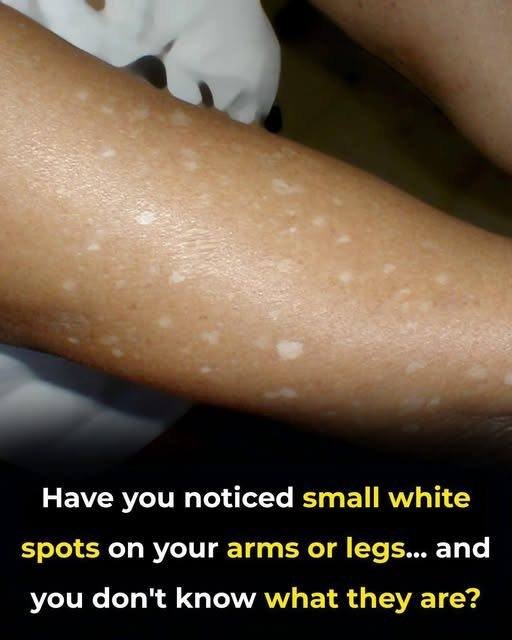
1. Pityriasis Alba
-
What it is: Pityriasis alba is a common skin condition that causes light, scaly patches to appear on the arms, face, and sometimes the legs. The spots are usually round or oval and may become more noticeable in the summer when your skin tans, making the white patches stand out.
-
Cause: The exact cause is unknown, but it is often linked to dry skin or eczema (atopic dermatitis). It may also be more common in children or young adults.
-
Treatment: It generally goes away on its own, but using moisturizing creams or corticosteroid creams can help improve the appearance of the spots.
2. Tinea Versicolor
-
What it is: Tinea versicolor is a fungal infection that causes small, round patches of skin that may be lighter or darker than the surrounding skin. These patches typically appear on the trunk, arms, and legs.
-
Cause: It’s caused by an overgrowth of a yeast-like fungus (Malassezia) that normally lives on the skin. This fungus can thrive in hot, humid environments.
-
Treatment: Over-the-counter antifungal creams, shampoos, or prescription antifungal medications can help treat this condition.
3. Vitiligo
-
What it is: Vitiligo is a condition where the skin loses pigment, resulting in patches of lighter skin. These white spots or patches can appear anywhere on the body, including the arms and legs.
-
Cause: It occurs when the body’s immune system mistakenly attacks the melanocytes (the cells that produce pigment), leading to loss of skin color.
-
Treatment: While there’s no cure, treatments like corticosteroid creams, light therapy, or other immunosuppressive medications may help restore some pigment. In some cases, makeup or skin grafting can be used to camouflage the spots.
4. Sunspots (Hypopigmentation)
-
What it is: Sunspots or solar lentigines are flat, light-colored spots that can appear after excessive sun exposure. They are also known as sun-induced hypopigmentation, where skin that has been damaged by UV rays loses pigment.
-
Cause: Long-term sun exposure without protection can cause uneven melanin production in the skin.
-
Treatment: Prevent further sun damage by wearing sunscreen. While sunspots usually don’t require treatment, laser therapy or topical treatments like hydroquinone may help lighten or even out the skin tone.
5. Tinea Corporis (Ringworm)
-
What it is: Tinea corporis, also known as ringworm, is a fungal infection that causes round, scaly patches on the skin. Although ringworm often appears red or pink, it can also appear as white, scaly patches with clear borders.
-
Cause: It’s caused by a dermatophyte fungus and is contagious through skin-to-skin contact or contact with contaminated surfaces.
-
Treatment: Antifungal creams or oral antifungal medications can treat ringworm effectively.
6. Keratosis Pilaris
-
What it is: Keratosis pilaris is a common condition that causes small, raised bumps that may appear white or flesh-colored, often on the upper arms, thighs, and legs. These bumps are sometimes described as “chicken skin.”
-
Cause: It occurs when hair follicles become clogged with keratin, a protein in the skin, leading to the formation of small bumps.
-
Treatment: While keratosis pilaris often resolves on its own over time, using gentle exfoliating creams or lotions containing salicylic acid, lactic acid, or urea can help smooth out the skin.
7. White Patches Due to Scarring or Skin Damage
-
What it is: After an injury, burn, or other trauma, your skin may heal with scarring that appears lighter than the surrounding skin. This can occur on the arms, legs, or any other part of the body.
-
Cause: The skin’s healing process may involve the formation of scar tissue that lacks pigment. This condition is known as hypopigmentation.
-
Treatment: In many cases, the skin will regain its natural color over time. If the discoloration is persistent or bothersome, treatments like laser therapy or corticosteroid injections may help improve the appearance.
8. Idiopathic Guttate Hypomelanosis
-
What it is: This condition causes small, white spots to appear on sun-exposed areas, like the arms and legs. The spots are often round and can range in size. It’s a benign condition that becomes more common as you age.
-
Cause: It is thought to be related to sun exposure and the aging process, although the exact cause is unclear.
-
Treatment: Since this condition is harmless, no treatment is necessary. Using sunscreen to prevent further spots and possibly cosmetic treatments for appearance (like laser treatments) may help.
9. Hypopigmentation After Infections or Inflammation
-
What it is: After a skin infection (like impetigo) or an inflammatory skin condition (such as eczema or psoriasis), you may notice areas of lighter skin. These patches may be white or slightly lighter than your surrounding skin.
-
Cause: The skin can lose pigment in areas where it was inflamed or irritated, and this can result in white spots.
-
Treatment: The discoloration usually fades over time, but you can help speed up healing by moisturizing and protecting the skin from further irritation.
10. Albinism
-
What it is: Albinism is a genetic condition that results in little or no production of melanin (the pigment that gives skin, hair, and eyes their color). People with albinism may have white or very pale patches all over their skin.
-
Cause: It’s a hereditary condition caused by mutations in genes responsible for producing melanin.
-
Treatment: There is no cure, but treatment focuses on managing symptoms, such as using sunscreen to protect the skin from UV damage.
When to See a Doctor:
If you notice small white spots on your arms or legs and they don’t improve over time, or if they are associated with other symptoms like itching, pain, or rapid spread, it’s a good idea to consult a dermatologist. A healthcare provider can diagnose the cause of the spots and recommend the best treatment.
Conclusion:
While many causes of small white spots on the arms and legs are harmless, some may require treatment, especially if they’re caused by conditions like fungal infections or vitiligo. Identifying the cause early can help ensure appropriate treatment and management of the condition. If you’re unsure or concerned about any changes to your skin, it’s always best to seek professional advice.