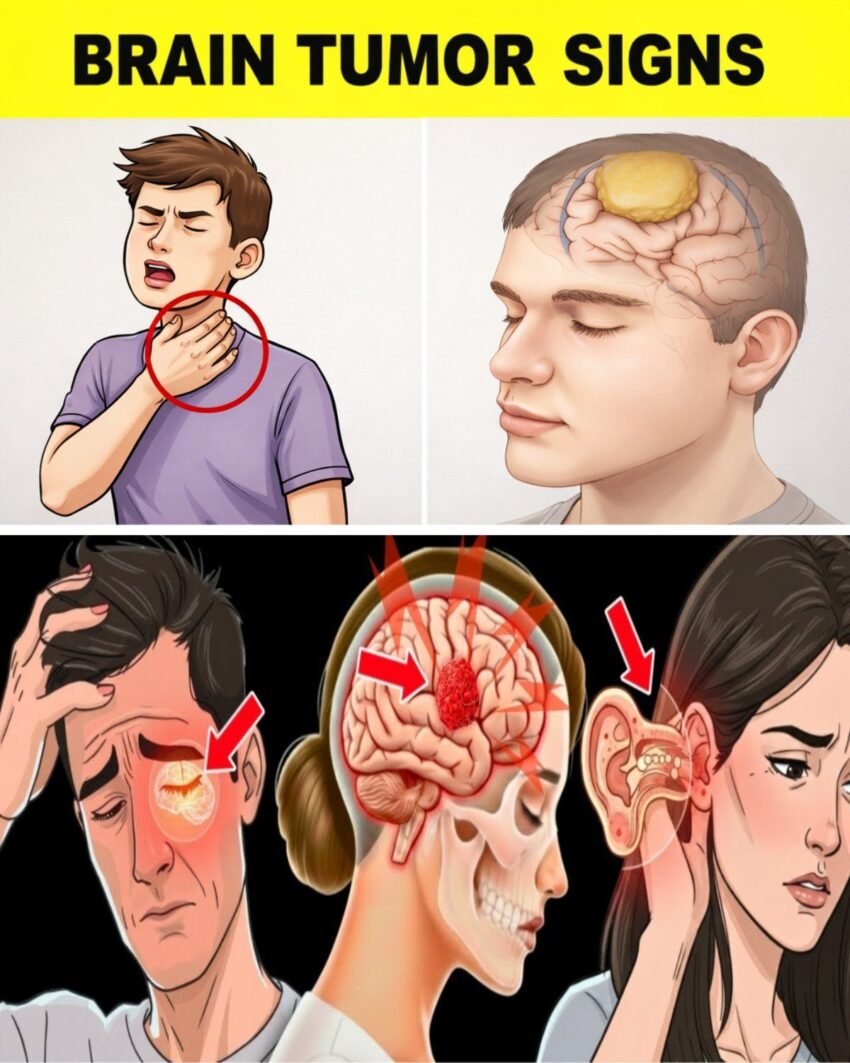
1. Frequent or Severe Headaches
Persistent headaches that don’t respond to usual treatments, or headaches that feel different than what you typically experience, could be a sign of a brain tumor. These headaches may be worse in the morning or get worse with changes in position or exertion.
2. Seizures
Seizures are a common symptom of brain tumors, especially in people who haven’t had a history of them. These can range from generalized convulsions to more subtle signs like involuntary jerking or shaking in a particular part of the body.
3. Vision Problems
Blurry vision, double vision, or sudden loss of vision can occur if the tumor is affecting the parts of the brain responsible for vision. In some cases, peripheral vision may be lost, or you may notice strange visual phenomena like flashes of light.
4. Cognitive or Memory Problems
Difficulty with memory, confusion, or problems with concentration can be early signs of a brain tumor. You might find it harder to think clearly, process information, or complete tasks you would normally be able to handle.
5. Nausea and Vomiting
Unexplained nausea or vomiting, particularly in the morning or after a headache, could be a result of increased pressure in the brain. This happens when the tumor presses on certain areas of the brain that control nausea and vomiting.
6. Personality or Behavioral Changes
Brain tumors can cause changes in mood, personality, or behavior, such as increased irritability, anxiety, depression, or sudden emotional outbursts. These changes may be subtle at first but can become more noticeable over time.
7. Weakness or Numbness
Weakness or numbness in parts of your body, especially if it affects one side (such as an arm, leg, or face), can indicate a brain tumor pressing on certain areas of the brain that control movement and sensation.
8. Difficulty Speaking or Understanding Language
If you suddenly find it difficult to speak, form words, or understand others, this could point to a brain tumor affecting the areas of the brain responsible for language. Slurred speech or trouble finding the right words are common signs.
9. Balance and Coordination Problems
If the tumor is affecting areas of the brain involved in movement and coordination, you may notice difficulty walking, maintaining balance, or performing tasks that require fine motor skills, such as buttoning a shirt or typing.
10. Hearing Problems or Ringing in the Ears (Tinnitus)
A brain tumor, especially one affecting the auditory nerves, can lead to hearing issues or ringing in the ears (tinnitus). These issues can be intermittent or constant and may get worse over time.
What Should You Do?
If you or someone you know is experiencing any of these symptoms, it’s important to consult with a healthcare provider for further evaluation. Early diagnosis and treatment can significantly improve the outcome in many cases.
Your doctor may recommend tests such as:
-
MRI (Magnetic Resonance Imaging) or CT (Computed Tomography) scans to detect the presence of a brain tumor.
-
Neurological exams to assess brain function and detect signs of abnormal brain activity.
-
Blood tests to rule out other causes of the symptoms.
Treatment Options
Treatment for brain tumors varies based on the type, location, and size of the tumor. Options may include:
-
Surgery to remove the tumor.
-
Radiation therapy to shrink or destroy tumor cells.
-
Chemotherapy to target cancer cells throughout the body.
-
Targeted therapies that focus on specific tumor characteristics.
If you’re concerned about any of these symptoms, it’s always better to err on the side of caution and seek medical advice as early as possible.
Let me know if you’d like more information on brain tumor diagnosis or treatment!