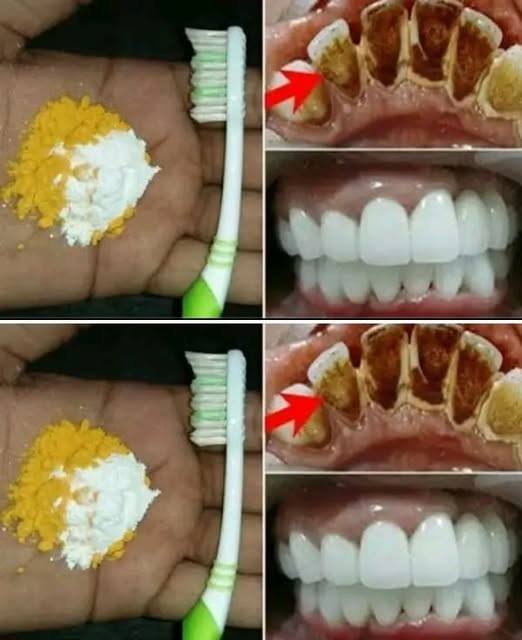
If you’re looking for home teeth whitening methods that can deliver results quickly, there are a few natural and safe options you can try. While professional whitening treatments from a dentist usually provide the most dramatic results, you can still achieve a noticeable whitening effect at home with the right approach.
Here’s a simple, effective method that takes just 2 minutes to try, using ingredients you may already have at home:
1. Baking Soda and Hydrogen Peroxide Paste
Ingredients:
- 1 teaspoon of baking soda
- 1 teaspoon of hydrogen peroxide (3% solution)
- Water (optional, to adjust consistency)
Instructions:
- In a small bowl, mix baking soda and hydrogen peroxide to form a paste. The mixture should have a thick, yet spreadable consistency.
- Apply the paste to your toothbrush or use your finger to gently rub the paste onto your teeth.
- Brush your teeth for about 2 minutes, making sure to focus on areas that have visible staining (like the front teeth).
- Rinse thoroughly with water.
Why it works:
- Baking soda acts as a mild abrasive that can scrub away surface stains without damaging the enamel.
- Hydrogen peroxide is a natural bleaching agent that can help break down stains on the enamel and lighten your teeth over time.
How often to use:
- Use this once a day or every few days, but not too often, as overuse of baking soda can be abrasive to your enamel.
2. Coconut Oil Pulling
Ingredients:
- 1 tablespoon of coconut oil
Instructions:
- Take 1 tablespoon of coconut oil and swish it around in your mouth for about 15-20 minutes (this is the traditional method, though some people do it for less time).
- Spit the oil out (do not swallow) and rinse your mouth with warm water.
- Brush your teeth afterward as usual.
Why it works:
- Coconut oil contains lauric acid, which has antibacterial properties and helps remove plaque, a leading cause of tooth discoloration.
- Regular oil pulling can help improve oral hygiene, reduce plaque buildup, and whiten teeth gradually.
How often to use:
- Do this daily for best results. Just be sure to avoid swallowing the oil, and always brush your teeth afterward to avoid any residual film.
3. Activated Charcoal
Ingredients:
- 1 capsule of activated charcoal (or a pinch of activated charcoal powder)
- Water
Instructions:
- Open an activated charcoal capsule and pour the powder into a small dish.
- Add a small amount of water to make a paste (you can also wet your toothbrush and dip it into the powder if you don’t have capsules).
- Brush your teeth gently for 2 minutes, focusing on areas with noticeable stains.
- Rinse thoroughly with water and brush your teeth with regular toothpaste afterward to remove any excess charcoal.
Why it works:
- Activated charcoal is known for its ability to adsorb surface stains on teeth and can help lift tough stains caused by coffee, tea, or smoking.
How often to use:
- Use this method 2-3 times a week. It can be abrasive if used too frequently, so it’s best to limit its use.
4. Apple Cider Vinegar (ACV) and Baking Soda
Ingredients:
- 1 teaspoon of apple cider vinegar
- 1 teaspoon of baking soda
Instructions:
- In a small dish, mix apple cider vinegar with baking soda.
- Use a cotton swab or toothbrush to gently apply the mixture to your teeth, but don’t scrub too hard.
- Let it sit for 1 minute, then rinse thoroughly with water.
- Brush your teeth with regular toothpaste afterward.
Why it works:
- Apple cider vinegar has natural acidic properties that can help break down surface stains on your teeth. It also helps with plaque removal.
- Baking soda works as a gentle abrasive to scrub away stains.
How often to use:
- Use sparingly—no more than once a week. Overuse of ACV can erode enamel due to its acidity.
5. Strawberries and Baking Soda Paste
Ingredients:
- 1 ripe strawberry
- 1/2 teaspoon of baking soda
Instructions:
- Mash a ripe strawberry in a bowl until it forms a paste-like consistency.
- Add 1/2 teaspoon of baking soda to the mashed strawberry and mix well.
- Apply the paste to your teeth and let it sit for 5 minutes.
- Rinse thoroughly and brush with regular toothpaste.
Why it works:
- Strawberries contain malic acid, which helps remove surface stains.
- Baking soda further scrubs away stains while the strawberry provides a natural, mildly abrasive action.
How often to use:
- Use this method once a week, as the acidity in strawberries can be a little harsh on the enamel if used too often.
Important Tips for Whitening Your Teeth at Home
- Brush and floss regularly: Whitening treatments work best when paired with a good daily oral hygiene routine. Brush your teeth at least twice a day and floss once to remove plaque.
- Limit stain-causing foods: Coffee, tea, red wine, and smoking can all contribute to tooth discoloration. Reducing consumption of these can help maintain a whiter smile.
- Be gentle with abrasive methods: While baking soda and activated charcoal are effective, they can be abrasive to enamel. Use them in moderation to avoid damaging your teeth.
- Stay consistent: Results from home whitening methods may take time. Be patient and use these methods regularly for gradual, long-lasting results.
When to Consult a Dentist
If your teeth are severely discolored or you’re not seeing results from at-home whitening, it may be time to consult with a dentist. Professional treatments, such as in-office whitening or custom whitening trays, can offer more dramatic results.
While these home teeth whitening methods are great for mild to moderate whitening, they require consistency and care. Always remember to take good care of your teeth and consult a dentist if you experience any adverse effects.
Let me know if you’d like more tips or have any other questions!