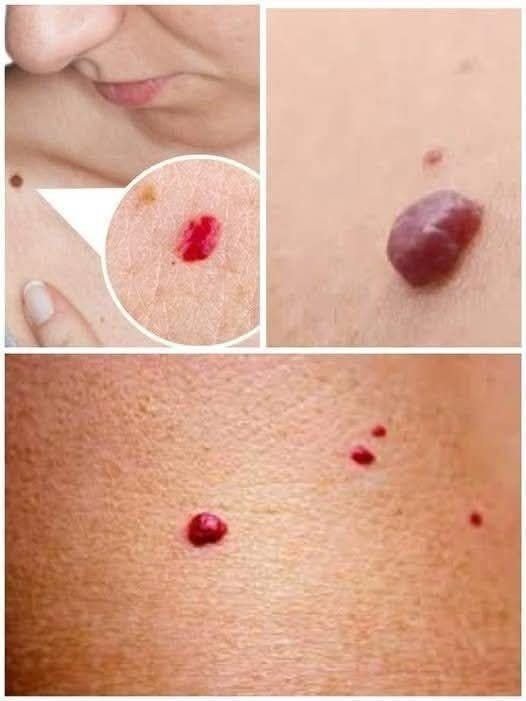
1. Petechiae
-
What it is: Petechiae are tiny, flat red or purple dots that occur when small blood vessels (capillaries) under the skin break. These dots do not blanch (turn white) when you press on them.
-
Possible Causes:
-
Trauma or injury (like heavy lifting or coughing)
-
Blood clotting disorders (e.g., vitamin K deficiency or platelet disorders)
-
Viral infections (such as mononucleosis, influenza, or chickenpox)
-
Certain medications (like blood thinners)
-
Vascular conditions (e.g., vasculitis)
-
-
When to be concerned: Petechiae that appear suddenly, especially with no obvious cause, can indicate a more serious problem like a blood clotting disorder or infection (such as meningitis). If you have a fever along with petechiae, seek medical attention immediately.
2. Purpura
-
What it is: Larger purple or red spots that occur when blood vessels under the skin break and cause bleeding. Purpura is similar to petechiae but involves larger areas of bleeding.
-
Possible Causes:
-
Blood disorders like hemophilia, leukemia, or thrombocytopenia (low platelet count)
-
Viral infections (such as rubella or measles)
-
Allergic reactions to medications or insect bites
-
-
When to be concerned: If you experience purpura along with joint pain, fever, or other unusual symptoms, you should see a doctor immediately.
3. Allergic Reactions (Rashes or Hives)
-
What it is: An allergic reaction can cause red, raised, and itchy red dots or bumps on the skin, often in the form of a rash or hives.
-
Possible Causes:
-
Food allergies (e.g., nuts, shellfish)
-
Drug reactions (e.g., antibiotics, aspirin)
-
Insect bites (mosquitoes, bedbugs, etc.)
-
Contact dermatitis (due to certain chemicals, lotions, or plants like poison ivy)
-
-
When to be concerned: If you have trouble breathing, swelling in the face, or anaphylaxis (severe allergic reaction), seek emergency medical help immediately.
4. Skin Infections
-
What it is: Bacterial or viral infections can lead to the appearance of red spots, bumps, or pimples.
-
Possible Causes:
-
Impetigo (a highly contagious bacterial skin infection)
-
Chickenpox or shingles (viral infections causing spots and blisters)
-
Folliculitis (infection of hair follicles causing red bumps)
-
-
When to be concerned: If the spots are painful, have pus, or are spreading rapidly, it could indicate an infection that needs medical attention.
5. Heat Rash (Prickly Heat)
-
What it is: Heat rash is caused by sweat trapped in the sweat glands, leading to red, itchy bumps on the skin.
-
Possible Causes:
-
Hot, humid weather
-
Excessive sweating
-
Tight clothing or chafing
-
-
When to be concerned: Generally, heat rash resolves on its own with cooler temperatures and proper hydration. However, if the rash becomes infected or doesn’t go away, see a doctor.
6. Viral Exanthems (Rashes from Viruses)
-
What it is: Several viral infections can cause a rash with red spots, often accompanied by other symptoms such as fever or fatigue.
-
Possible Causes:
-
Measles: Starts with red spots that often merge and spread.
-
Rubella: Causes red spots and a rash, often with mild fever.
-
Hand, foot, and mouth disease: A viral infection that causes a rash, typically in children, with red spots on the hands, feet, and around the mouth.
-
-
When to be concerned: If the red dots are accompanied by a fever, or if the rash appears suddenly and is widespread, see a healthcare provider to determine the underlying cause.
7. Insect Bites or Stings
-
What it is: Insect bites from mosquitoes, fleas, or bedbugs can cause small, red, itchy bumps on the skin.
-
Possible Causes:
-
Mosquitoes, fleas, or bedbugs: Common culprits for red, itchy spots.
-
-
When to be concerned: If you notice severe itching, swelling, or signs of infection (pus, increased redness), it’s worth getting checked.
8. Other Causes
-
Medications: Certain drugs (like antibiotics or blood pressure medications) can cause a rash or red spots.
-
Sunburn: Redness, blotchiness, and spots can occur after excessive sun exposure.
-
Dermatitis or Eczema: Skin conditions that cause red spots or patches, often accompanied by itching or dryness.
What to Do if You Have Red Dots on Your Skin
-
Monitor for other symptoms: Pay attention to whether you have fever, pain, swelling, or changes in your overall health.
-
Check for triggers: Consider if the appearance of the red dots could be linked to a recent change in diet, medication, or environment (such as new soaps, lotions, foods, or allergies).
-
Hydrate and soothe: Keep your skin moisturized with soothing lotions like aloe vera or calamine lotion for mild irritation.
-
Seek medical attention: If the red dots don’t resolve after a few days, are spreading, or are accompanied by other concerning symptoms (fever, pain, difficulty breathing), it’s important to see a healthcare provider. A doctor will be able to determine the cause and recommend the appropriate treatment.
When to See a Doctor
If the red dots are:
-
Accompanied by fever, swelling, or severe pain,
-
Don’t improve or get worse over time,
-
Accompanied by difficulty breathing or anaphylaxis (in the case of an allergic reaction),
-
Or if you suspect they are related to blood disorders or infections (like meningitis or a viral illness),
Seek medical attention immediately.
In summary, while red dots on the skin are often harmless, it’s important to consider the context and other symptoms. A timely consultation with a healthcare professional will help ensure proper diagnosis and treatment if needed.
Let me know if you’d like more details on any of these conditions or need advice on how to manage symptoms!