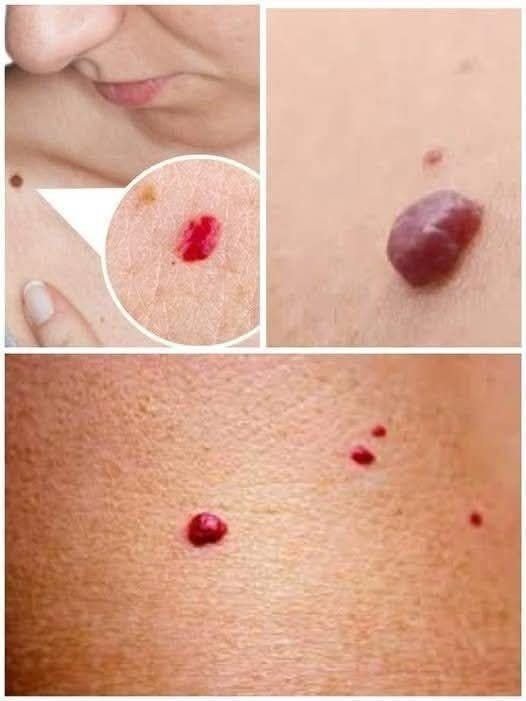
Red dots on the skin, also known as petechiae, can be a sign of various conditions, and their appearance should be monitored carefully. Petechiae are small, pinpoint-sized red or purple spots that occur when small blood vessels under the skin break. Depending on the cause, red dots may indicate something relatively minor or a more serious condition.
Here are some common causes of red dots on the skin:
1. Minor Causes
-
Pressure or Injury: Sometimes, red dots may appear due to physical pressure, like from tight clothing, tight shoes, or even excessive coughing or sneezing. These dots usually disappear on their own after a short period.
-
Rashes: Some common rashes, like those caused by allergic reactions (e.g., to certain foods, medications, or insect bites), can cause red spots. This is generally accompanied by itching or irritation.
-
Heat or Sweat Rash: Heat or sweat rashes (also known as prickly heat or miliaria) can cause small red bumps or dots, particularly in areas where sweat becomes trapped.
2. Infections
-
Viral Infections: Conditions like measles, chickenpox, or rubella (German measles) can cause red spots or rashes on the skin. Often, these will be accompanied by other symptoms like fever, chills, or a sore throat.
-
Bacterial Infections: Certain bacterial infections, like scarlet fever (caused by streptococcus), can cause a red, sandpaper-like rash along with red spots. Sepsis, a life-threatening infection, can also cause petechiae, often accompanied by fever, rapid heartbeat, and confusion.
3. Bleeding or Blood Disorders
-
Low Platelet Count (Thrombocytopenia): A low platelet count, which can be caused by conditions like autoimmune disorders, bone marrow diseases, or chemotherapy, can result in petechiae. This is because platelets are responsible for clotting, and a shortage can lead to easy bruising and bleeding.
-
Leukemia: Petechiae can be an early sign of leukemia, a type of cancer that affects the blood and bone marrow. This would often be accompanied by other symptoms like fatigue, easy bruising, frequent infections, and weight loss.
-
Hemophilia or other clotting disorders: If your body doesn’t produce enough clotting factors, you might develop petechiae due to small amounts of internal bleeding under the skin.
4. Vascular Problems
-
Vasculitis: This is inflammation of the blood vessels that can result in red or purple dots, bruising, or skin ulcers. It can be associated with autoimmune conditions like lupus or rheumatoid arthritis.
-
Capillary Fragility: Some people have more fragile capillaries that break easily, causing petechiae. This can be related to aging, certain medications (like corticosteroids), or conditions like Cushing’s syndrome.
5. Medication Side Effects
-
Certain medications, such as blood thinners (e.g., aspirin, warfarin) or chemotherapy drugs, can cause petechiae because they affect blood clotting. Medications that lower platelet count or affect the blood vessels can increase the likelihood of these red dots.
6. Other Possible Causes
-
Allergic Reactions: Severe allergic reactions or anaphylaxis may cause red spots, often as part of a wider rash or hives. These reactions can also affect breathing and require immediate medical attention.
-
Sunburn or UV Exposure: Overexposure to the sun or tanning beds can lead to broken blood vessels under the skin, causing red dots, particularly in fair-skinned people.
When to Seek Medical Help
While many cases of red dots on the skin are not serious, petechiae or a rash can sometimes be a sign of a more serious condition. You should seek medical help if:
-
The red dots appear suddenly without any clear cause.
-
You have other symptoms like fever, chills, fatigue, or unexplained weight loss.
-
The dots spread rapidly or worsen over time.
-
There is excessive bleeding or bruising elsewhere in your body.
-
You experience difficulty breathing, chest pain, or dizziness.
In those cases, it’s important to seek medical attention immediately, as it could be a sign of a more serious condition like an infection, blood clotting disorder, or other systemic illness.
Are you experiencing any other symptoms along with the red dots? That might help narrow down the cause and whether you should see a healthcare provider.