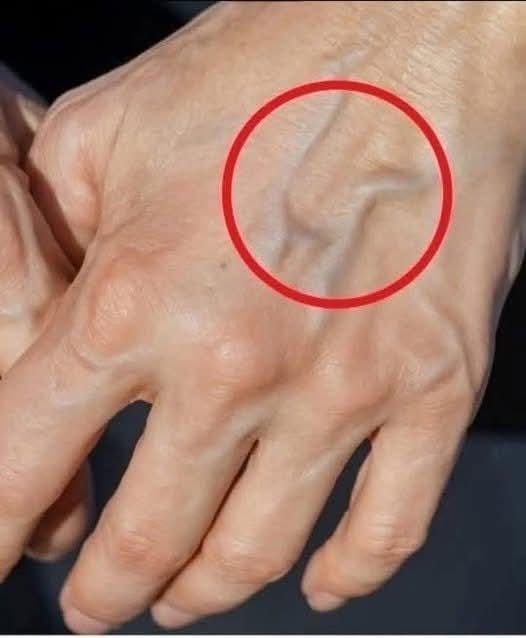
1. Low Body Fat:
-
People with lower body fat percentages (especially athletes or bodybuilders) often have more visible veins. This is because the veins are closer to the surface of the skin, and there is less fat covering them.
-
For example, individuals who lift weights or engage in intense physical activity may experience more visible veins, particularly in the arms, legs, or hands.
2. Increased Blood Flow or Physical Activity:
-
During exercise or physical exertion, blood flow to the muscles increases, causing veins to temporarily become more visible. This is known as “vascularity” and is common in people who engage in strength training or cardio.
-
After a workout, veins may stay more visible for a while as the blood vessels expand and contract due to increased circulation.
3. Genetics:
-
Some people naturally have more visible veins because of genetics. If your veins are more prominent, it may simply be due to how your body is structured.
4. Aging:
-
As you age, your skin loses some of its elasticity and collagen, and it may become thinner, which can make veins more visible. This is particularly common in older adults.
5. Heat or Warm Temperatures:
-
In hot weather or during times when your body temperature rises (like after a warm shower), veins may become more visible as your body attempts to cool itself down by expanding blood vessels near the skin’s surface.
6. Hydration Levels:
-
If you’re well-hydrated, your veins may appear more prominent. Dehydration can cause veins to look less visible due to reduced blood volume.
7. Medical Conditions:
-
Varicose veins: These are enlarged, twisted veins that are often visible through the skin, especially in the legs. While they’re often harmless, they can sometimes cause discomfort.
-
Venous insufficiency: This occurs when the veins can’t efficiently return blood to the heart, leading to blood pooling in the veins and causing them to appear larger or more visible.
8. Hormonal Changes:
-
Hormonal fluctuations, such as those during pregnancy or puberty, can affect how veins appear. Increased levels of certain hormones like estrogen can make veins more prominent in some cases.
9. Skin Tone:
-
People with lighter skin tones often have more visible veins, as there is less pigmentation in the skin to hide them.
When Should You Be Concerned?
Visible veins on their own are usually not a cause for concern. However, if you experience symptoms like:
-
Pain, swelling, or tenderness around the veins
-
Dark, discolored skin or ulcers near the veins
-
Sudden changes in vein visibility without any obvious cause
-
Leg swelling or heaviness
It’s a good idea to consult a healthcare professional to rule out any underlying conditions like varicose veins, deep vein thrombosis (DVT), or venous insufficiency.
Would you like to dive deeper into any of these causes or concerns?