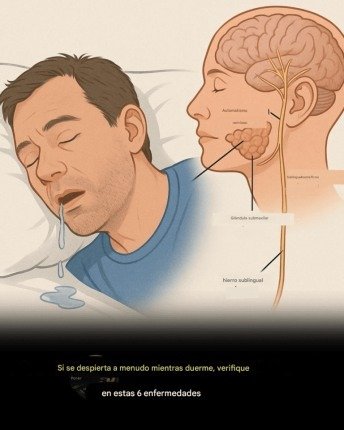
1. Sleep Apnea
-
What It Is: Sleep apnea is a condition where your breathing repeatedly stops and starts during sleep. It can cause a range of symptoms, including excessive drooling, because the airway is partially obstructed, and the body may struggle to breathe normally.
-
Why It Causes Drooling: When the airway is blocked, it can lead to mouth breathing or irregular breathing patterns, both of which can increase saliva production. This, in turn, may cause drooling.
-
What to Do: If you snore heavily, feel tired during the day despite a full night’s sleep, or experience gasping or choking during sleep, it’s important to consult a healthcare provider. Treatment options include CPAP (continuous positive airway pressure) therapy or other treatments to help keep your airway open during sleep.
2. Gastroesophageal Reflux Disease (GERD)
-
What It Is: GERD is a chronic digestive condition where stomach acid frequently flows back into the esophagus, irritating the lining and causing symptoms like heartburn, regurgitation, and difficulty swallowing.
-
Why It Causes Drooling: When stomach acid backs up into the esophagus, it can irritate the mouth and throat, increasing saliva production as a protective mechanism. GERD can also cause people to sleep with their mouths open, contributing to drooling.
-
What to Do: If you experience symptoms like heartburn, regurgitation, or a sore throat along with drooling, talk to your doctor about treatment options, which may include antacids, lifestyle changes, or medications like proton pump inhibitors (PPIs).
3. Parkinson’s Disease
-
What It Is: Parkinson’s disease is a neurodegenerative disorder that primarily affects movement, leading to tremors, stiffness, and slowed motion. It can also impact the muscles that control swallowing and salivation.
-
Why It Causes Drooling: People with Parkinson’s often experience difficulty swallowing (dysphagia) and reduced ability to control saliva, leading to drooling. Additionally, medications used to treat Parkinson’s may affect saliva production.
-
What to Do: If drooling is accompanied by tremors, stiffness, difficulty with balance, or other movement-related symptoms, it’s important to see a neurologist for evaluation and management.
4. Stroke
-
What It Is: A stroke occurs when the blood supply to part of the brain is interrupted, causing brain cells to die. Strokes can affect various functions, depending on the part of the brain affected.
-
Why It Causes Drooling: A stroke can impair the muscles involved in swallowing and saliva control, resulting in drooling, especially during sleep when the body is relaxed. Additionally, strokes can affect the nerves that regulate saliva production.
-
What to Do: If drooling is accompanied by sudden weakness, numbness, difficulty speaking, or changes in vision, seek immediate medical attention, as these may be signs of a stroke.
5. Allergies or Sinusitis
-
What It Is: Allergies or sinus infections can lead to congestion, post-nasal drip, and difficulty breathing through the nose, causing people to breathe through their mouths during sleep.
-
Why It Causes Drooling: Mouth breathing during sleep can increase saliva flow and lead to drooling. Additionally, post-nasal drip can cause an increase in saliva production to clear the throat.
-
What to Do: If you also experience sneezing, nasal congestion, a runny nose, or a sore throat, try using antihistamines, decongestants, or nasal saline sprays to relieve symptoms. If these symptoms persist, consult with an allergist or ENT specialist.
6. Medication Side Effects
-
What It Is: Some medications can cause excessive drooling as a side effect. This is often seen with medications that affect the nervous system or increase saliva production.
-
Why It Causes Drooling: Medications such as antipsychotics, sedatives, or those used to treat neurological conditions can interfere with the normal control of saliva. Certain medications may also relax the muscles of the mouth, contributing to drooling.
-
What to Do: If you suspect your medication is contributing to drooling, consult with your doctor. They may adjust your dosage or switch you to a different medication. Do not stop or adjust medication without professional guidance.
General Tips for Managing Drooling While Sleeping:
-
Sleep Position: Try sleeping on your side instead of your back to reduce the likelihood of mouth breathing, which can contribute to drooling.
-
Elevate Your Head: If you suffer from GERD or sinus issues, elevating your head slightly while sleeping can help prevent saliva buildup and reduce the chances of drooling.
-
Mouthguards or CPAP: If sleep apnea or snoring is the issue, a CPAP machine or oral appliance designed to keep the airway open can help reduce drooling and improve sleep quality.
-
Hydrate Properly: Ensure you’re staying well-hydrated throughout the day, as dehydration can sometimes lead to increased saliva production, especially when you’re asleep.
-
Regular Dental Care: Maintaining good oral hygiene can help if your drooling is related to oral health issues, such as tooth problems or gum disease.
If drooling persists and is associated with any of the above conditions, or if you experience other unusual symptoms, it’s important to consult a healthcare provider for a proper diagnosis and treatment plan. Early detection and treatment can often help manage the underlying causes effectively.