Understanding the Colon and Waste Removal
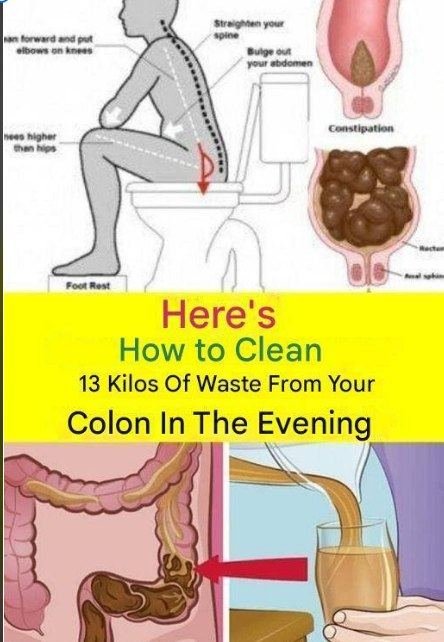
Your colon (large intestine) naturally processes and eliminates waste from your body. The colon is efficient at absorbing water and electrolytes while forming and expelling stool. On average, the body produces about 150 to 250 grams of stool per day—far from 15 kilograms. The waste that comes out is usually a result of the body breaking down food and other substances.
The Myths About “Cleansing” the Colon
While the idea of cleansing the colon is popular in detox and wellness circles, there is no scientific evidence to support the need for intense cleanses or colonics to remove “toxic waste.” Your body, particularly the liver and kidneys, is highly efficient at detoxifying naturally.
Some popular methods of colon cleansing include:
-
Herbal teas or supplements: Often contain laxatives like senna, which stimulate bowel movements.
-
Enemas: These involve introducing water or other substances into the rectum to flush out the colon.
-
Colonic irrigation (colon hydrotherapy): A procedure where large amounts of water are flushed through the colon to remove waste.
Risks and Considerations
While these methods may promote bowel movements, they can also carry risks, including:
-
Dehydration: Excessive cleansing can lead to loss of electrolytes and dehydration.
-
Gut Disruption: Overuse of laxatives or colonics can disrupt the natural balance of gut bacteria.
-
Injury: Invasive procedures like colonics can cause injury to the colon or rectum if not done properly.
Healthy Alternatives to Support Digestive Health
If you’re looking to support your digestive system and keep your colon healthy, here are some safe and natural practices:
-
Eat a fiber-rich diet:
-
Foods like fruits, vegetables, whole grains, and legumes help promote regular bowel movements and keep things moving in the colon.
-
Fiber adds bulk to stool and helps your body expel waste naturally.
-
-
Stay hydrated:
-
Drinking enough water helps prevent constipation and supports overall digestion.
-
-
Exercise regularly:
-
Physical activity promotes healthy digestion by stimulating the muscles of the gastrointestinal tract, which helps move food and waste through the colon.
-
-
Probiotics:
-
A healthy gut microbiome plays a key role in digestion. Consider including probiotics in your diet (like yogurt, kefir, or supplements) to support gut health.
-
-
Manage stress:
-
Stress can affect digestion, leading to issues like constipation or irritable bowel syndrome (IBS). Practices like yoga, meditation, or deep breathing can help.
-
When to Seek Medical Help
If you’re experiencing symptoms like chronic constipation, bloated feelings, or any form of digestive discomfort, it’s best to consult a doctor or gastroenterologist. They can assess your condition and provide medical recommendations tailored to your specific needs.
Final Thoughts
While colon cleansing may sound appealing as a way to “flush out” waste quickly, the best way to support your digestive health is through a balanced diet, hydration, and healthy lifestyle habits. Your body is equipped to manage waste on its own—no dramatic cleanse necessary. Always be cautious of extreme claims about detoxing, especially those suggesting you can lose several kilograms of waste in one night. It’s important to approach these ideas critically and consult with a healthcare professional before trying any extreme detox methods.