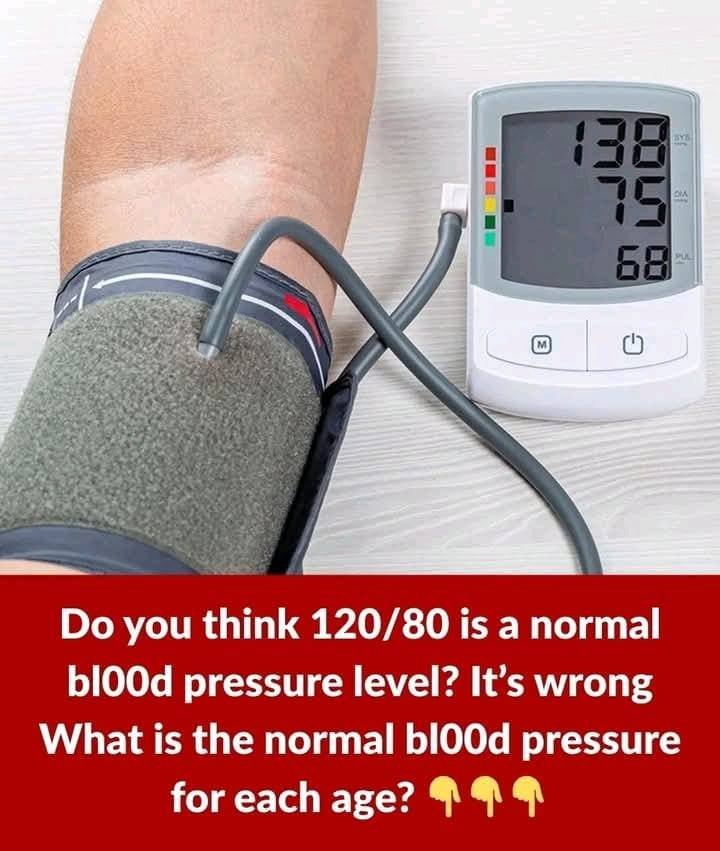
Normal Blood Pressure by Age (General Guideline)
-
Children (1-13 years):
-
Blood pressure norms vary widely by age, gender, and height. A typical range could be around 90/60 mmHg to 105/70 mmHg.
-
For example:
-
1-3 years: 95/65 mmHg
-
3-5 years: 100/60 mmHg
-
6-13 years: 105/65 mmHg
-
-
-
Adolescents (14-18 years):
-
The normal range for teens is similar to adults, usually around 110/70 mmHg to 120/80 mmHg.
-
-
Adults (19-40 years):
-
120/80 mmHg is considered the ideal normal blood pressure for most adults.
-
A typical range is 90/60 mmHg to 120/80 mmHg.
-
Systolic (top number) values above 130 mmHg may indicate the beginning of hypertension.
-
-
Middle-aged adults (41-60 years):
-
A healthy blood pressure range is 120/80 mmHg to 139/89 mmHg.
-
Hypertension may begin to develop in this range, especially if there is a persistent reading above 130/80 mmHg.
-
-
Older Adults (60+ years):
-
Normal blood pressure is still considered 120/80 mmHg, but many older adults may have readings closer to 130/80 mmHg or even higher, and it can be seen as normal due to age-related changes in blood vessels and arteries.
-
However, readings above 140/90 mmHg are still considered high blood pressure.
-
Key Points:
-
120/80 mmHg is considered the benchmark for normal blood pressure at most ages.
-
Blood pressure can be influenced by factors such as physical activity, diet, stress, and genetics.
-
Systolic pressure (the top number) tends to increase with age due to the natural stiffening of blood vessels.
-
Diastolic pressure (the bottom number) may remain stable or even decrease after a certain age.
Blood Pressure Categories:
-
Normal: < 120/80 mmHg
-
Elevated: 120-129/<80 mmHg
-
Hypertension Stage 1: 130-139/80-89 mmHg
-
Hypertension Stage 2: ≥ 140/90 mmHg
-
Hypertensive Crisis: > 180/120 mmHg (seek emergency medical attention)
If you have concerns about your blood pressure, it’s always a good idea to consult a healthcare professional for personalized advice!