Eggs With Blood Spots: Should You Eat Them? 🥚
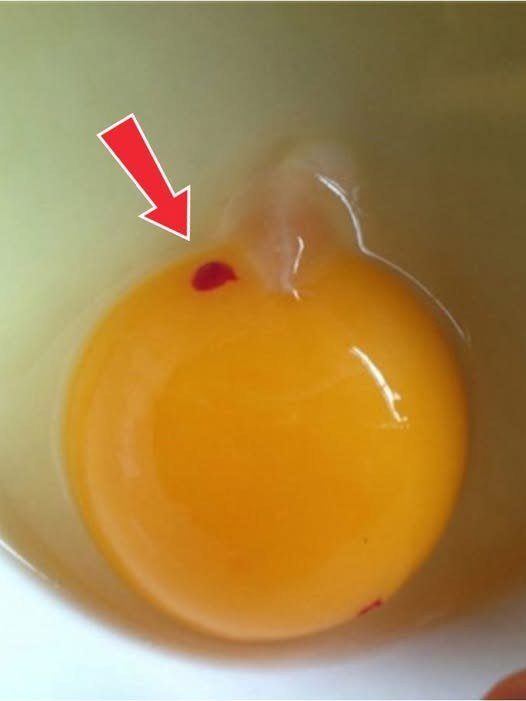
Sometimes when you crack an egg, you may notice a tiny red or brown spot in the yolk or egg white. These are called Blood Spot (egg), and they can raise concerns—but they are usually harmless.
What Causes Blood Spots?
A blood spot occurs when a small blood vessel in the hen’s ovary ruptures during egg formation. This tiny drop of blood becomes trapped inside the egg before the shell forms.
They are more common in:
- Eggs from younger hens
- Eggs that are not industrially candled (a process used to detect defects)
Are Eggs With Blood Spots Safe to Eat?
Yes—in most cases they are safe.
According to the USDA:
- Blood spots do not mean the egg is fertilized.
- They do not indicate spoilage.
- The egg is generally safe if properly cooked.
Many people simply remove the spot with a spoon before cooking.
When Should You Avoid the Egg?
Do not eat the egg if you notice:
- A bad or sulfur-like smell
- Unusual discoloration
- A watery or cloudy texture that looks spoiled
These signs could indicate bacterial growth such as Salmonella contamination.
Why You Rarely See Blood Spots in Store Eggs
Commercial eggs are usually checked by candling, where bright light is used to inspect the egg before packaging. Eggs with visible spots are often removed before reaching stores.
Simple Tip
If the egg smells normal and the blood spot is tiny:
- Remove the spot
- Cook the egg thoroughly
- It is generally safe to eat
✅ Bottom line:
Eggs with small blood spots are usually safe and normal, though you can remove the spot if it bothers you.
If you want, I can also explain the difference between blood spots and meat spots in eggs (many people confuse them).