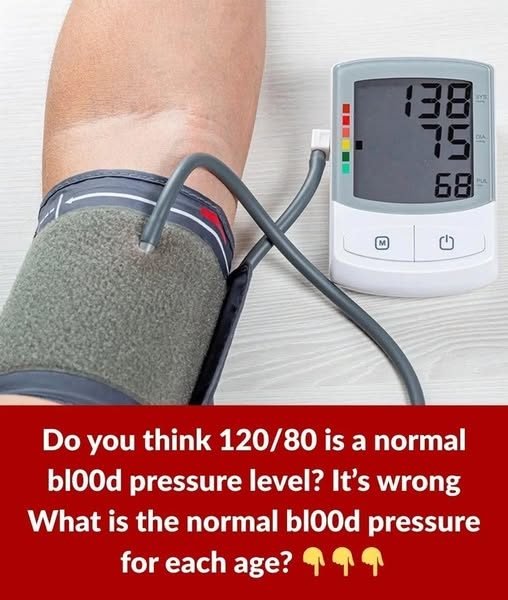
Normal blood pressure (BP) varies slightly by age, but doctors today generally use the same healthy target for most adults. Blood pressure is measured in mmHg and written as Systolic / Diastolic.
- Systolic = pressure when the heart beats
- Diastolic = pressure when the heart rests
According to guidelines from organizations like the American Heart Association and World Health Organization, here are typical ranges by age:
| Age Group | Normal Blood Pressure |
|---|---|
| Newborn (0–1 month) | 60–90 / 20–60 |
| Infant (1–12 months) | 80–100 / 50–65 |
| Toddler (1–5 years) | 90–105 / 55–70 |
| Child (6–12 years) | 95–110 / 60–75 |
| Teen (13–17 years) | 100–120 / 65–80 |
| Adult (18–39 years) | <120 / <80 |
| Adult (40–59 years) | <130 / <80 |
| Senior (60+ years) | <130–140 / <80–90 |
Adult BP Categories (commonly used)
| Category | Blood Pressure |
|---|---|
| Normal | Below 120 / 80 |
| Elevated | 120–129 / <80 |
| High BP Stage 1 | 130–139 / 80–89 |
| High BP Stage 2 | ≥140 / ≥90 |
Example
- 118/76 → Normal ✅
- 128/78 → Slightly elevated
- 140/90 → High blood pressure
Important Notes
- BP can change due to stress, exercise, caffeine, or illness.
- Persistent high BP may lead to conditions like Hypertension, which increases risk of heart attack, stroke, and kidney disease.
- Doctors usually diagnose high BP only after several readings on different days.
✅ Quick rule for adults:
Around 120/80 mmHg is considered ideal.
If you want, I can also show:
- 📊 Normal BP by age chart for males vs females
- ⚠️ Dangerous BP levels that require immediate medical help.